As a supplier of flexible cables, I’ve witnessed firsthand the critical role that electromagnetic interference (EMI) performance plays in the functionality and reliability of these cables. In this blog, I’ll delve into what EMI performance means for flexible cables, why it’s important, factors affecting it, and how we, as a flexible cable supplier, ensure high – quality EMI performance. Flexible Cable

Understanding Electromagnetic Interference (EMI) in Flexible Cables
Electromagnetic interference refers to the disturbance that affects an electrical circuit due to either electromagnetic induction or electromagnetic radiation emitted from an external source. In the context of flexible cables, EMI can disrupt the normal flow of electrical signals, leading to data errors, signal degradation, or even complete system failure.
Flexible cables are used in a wide range of applications, from consumer electronics like laptops and smartphones to industrial machinery and aerospace systems. In all these applications, maintaining a clean and stable electrical signal is crucial. For example, in a high – performance data center, flexible cables are used to transmit large amounts of data at high speeds. Any EMI can cause data transmission errors, which can result in system malfunctions and potential financial losses.
Why EMI Performance is Crucial for Flexible Cables
Signal Integrity
One of the primary reasons EMI performance is so important for flexible cables is signal integrity. When a cable is exposed to EMI, the electrical signals traveling through it can be distorted. This distortion can lead to bit errors in digital signals, which can compromise the accuracy of data transmission. In applications such as medical devices, where accurate data is a matter of life and death, poor EMI performance can have serious consequences.
Regulatory Compliance
Many industries are subject to strict electromagnetic compatibility (EMC) regulations. These regulations are designed to limit the amount of EMI that electronic devices and components, including flexible cables, can emit and to ensure their immunity to external EMI. Non – compliance can result in fines, product recalls, and damage to a company’s reputation. For example, in the automotive industry, flexible cables used in vehicles must meet strict EMC standards to ensure the safe and reliable operation of various electronic systems.
System Reliability
EMI can also affect the overall reliability of a system. When a flexible cable experiences EMI, it can lead to intermittent failures. These intermittent failures can be difficult to diagnose and troubleshoot, causing downtime and increased maintenance costs. By ensuring good EMI performance, we can help our customers build more reliable systems.
Factors Affecting the EMI Performance of Flexible Cables
Cable Construction
The way a flexible cable is constructed has a significant impact on its EMI performance. For instance, the type of shielding used is crucial. Shielding is a conductive layer that surrounds the cable’s conductors and helps to block external electromagnetic fields. Common types of shielding include braided shields, foil shields, and combination shields.
Braided shields are made of interwoven metal strands and offer good flexibility and mechanical protection. However, they may have some gaps between the strands, which can allow some EMI to penetrate. Foil shields, on the other hand, are made of a thin layer of metal foil and provide a more continuous barrier against EMI. But they are less flexible than braided shields and can be easily damaged. Combination shields, which use both braided and foil shielding, offer the best of both worlds, providing high levels of EMI protection and flexibility.
The number of conductors in the cable also affects EMI performance. More conductors can increase the risk of crosstalk, which is a form of EMI where signals from one conductor interfere with signals in another. Proper cable design, such as using twisted pairs and proper spacing between conductors, can help to reduce crosstalk.
Cable Material
The materials used in flexible cables can also influence their EMI performance. The conductor material, for example, can affect the conductivity of the cable. Higher conductivity materials, such as copper, are better at carrying electrical signals and can reduce the impedance of the cable. Lower impedance means less signal loss and better EMI performance.
The insulation material is also important. It not only provides electrical insulation but can also play a role in reducing EMI. Some insulation materials have properties that can help to absorb or dissipate electromagnetic energy, reducing the impact of EMI on the cable.
Environmental Factors
The operating environment of the flexible cable can have a significant impact on its EMI performance. For example, cables used in high – voltage environments are more likely to be exposed to strong electromagnetic fields. In addition, cables used in industrial settings may be exposed to electrical noise from motors, generators, and other equipment.
Temperature and humidity can also affect the cable’s performance. Extreme temperatures can cause the materials in the cable to expand or contract, which can affect the integrity of the shielding and insulation. High humidity can lead to corrosion of the conductors and shielding, reducing their effectiveness in blocking EMI.
How We Ensure High – Quality EMI Performance as a Flexible Cable Supplier
Advanced Design and Engineering
Our team of experienced engineers uses advanced design techniques to optimize the EMI performance of our flexible cables. We carefully select the cable construction, including the type of shielding and the arrangement of conductors, based on the specific requirements of the application. For example, for applications that require high – speed data transmission, we may use a combination of twisted pairs and multiple layers of shielding to reduce crosstalk and external EMI.
We also use computer – aided design (CAD) software to simulate the electromagnetic behavior of the cables during the design process. This allows us to identify potential EMI issues early on and make necessary adjustments to the design.
Quality Materials
We source high – quality materials from trusted suppliers to ensure the best possible EMI performance of our cables. We use high – conductivity copper conductors to minimize signal loss and impedance. For shielding, we use high – quality braided and foil materials that provide excellent protection against EMI.
Our insulation materials are carefully selected to provide good electrical insulation and EMI absorption properties. We also ensure that all materials meet strict quality standards and are tested for compatibility with each other.
Rigorous Testing
Before our flexible cables are released to the market, they undergo rigorous testing to ensure their EMI performance meets or exceeds industry standards. We use advanced testing equipment, such as EMI chambers, to measure the cable’s emission and immunity to EMI.
We perform a variety of tests, including radiated emission tests, conducted emission tests, and electrostatic discharge (ESD) tests. These tests allow us to identify any potential EMI issues and make necessary improvements to the cable design or manufacturing process.
Importance of Choosing the Right Flexible Cable Supplier
When it comes to ensuring the EMI performance of flexible cables, choosing the right supplier is crucial. A reliable supplier will have the expertise, experience, and resources to design and manufacture high – quality cables that meet your specific EMI requirements.
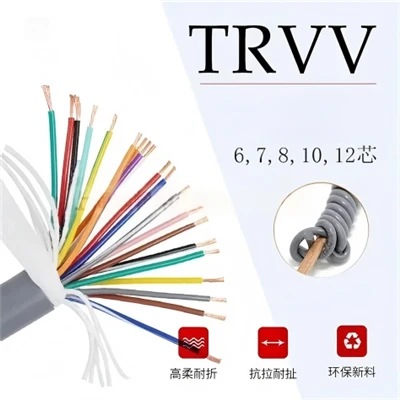
We, as a flexible cable supplier, are committed to providing our customers with the best possible products and services. Our team of experts can work closely with you to understand your application needs and recommend the most suitable flexible cables. We also offer customization services, allowing you to get cables that are tailored to your specific requirements.
Let’s Engage in Procurement Discussions
VFD Cable If you are in need of flexible cables with excellent EMI performance, we’d love to have a conversation with you. Whether you are in the consumer electronics, industrial, or aerospace industry, our team has the knowledge and experience to provide you with the best solutions. Reach out to us to discuss your procurement needs, and we’ll work together to find the ideal flexible cables for your applications.
References
- Henry Ott, "Electromagnetic Compatibility Engineering".
- Clayton Paul, "Introduction to Electromagnetic Compatibility".
- Various industry standards related to electromagnetic compatibility and flexible cable performance.
Anhui Huawang Cable Co., Ltd.
As one of the most professional flexible cable manufacturers and suppliers in China, we also support customized service. If you’re going to buy discount flexible cable, welcome to get pricelist from our factory. Quality products and reasonable price are available.
Address: No. 32, East Street, Batian Street, Datong Town, Tianchang City, Anhui Province
E-mail: Linda@huawangcable.com
WebSite: https://www.huawang-cable.com/
