Noise is an inevitable byproduct in many industrial operations, and understanding the noise levels associated with equipment is crucial for ensuring a safe and efficient working environment. As a well – established supplier of trunnion mounted ball valves, I often receive inquiries about the noise levels when operating these valves. In this blog post, I will delve into the factors that influence the noise level during the operation of trunnion mounted ball valves, the typical noise ranges, and how we as a supplier can help manage and mitigate this noise. Trunnion Mounted Ball Valves

Factors Affecting the Noise Level of Trunnion Mounted Ball Valves
Fluid Flow Characteristics
The flow rate of the fluid passing through the valve is one of the primary factors influencing noise levels. When the fluid velocity is high, it can cause turbulence and pressure fluctuations as it passes through the valve. For example, in a high – pressure system with a large volume of fluid flowing rapidly, the fluid may experience cavitation, a phenomenon where the local pressure drops below the vapor pressure of the fluid, causing the formation and subsequent collapse of vapor bubbles. The implosion of these bubbles generates shockwaves, which in turn produce a high – pitched, noisy sound.
The type of fluid also matters. Viscous fluids tend to produce less noise compared to low – viscosity fluids like water or gases. Viscosity acts as a damping factor, reducing the intensity of pressure fluctuations and turbulence within the valve.
Valve Design and Configuration
The design of the trunnion mounted ball valve itself can significantly impact the noise level. A well – designed valve with smooth internal surfaces and proper contours allows the fluid to flow more uniformly, minimizing turbulence and noise. For instance, valves with optimized port sizes and ball shapes can ensure a more streamlined flow path.
The valve’s actuation mechanism also plays a role. Manual valves may require operators to apply a significant amount of force, especially in large – diameter or high – pressure applications. This can sometimes result in jerky movements during operation, leading to sudden changes in fluid flow and increased noise. On the other hand, automated valves, such as those actuated by electric or pneumatic systems, can provide more precise and smooth operation, potentially reducing noise.
System Conditions
The overall system in which the trunnion mounted ball valve is installed can affect the noise level. Pipes that are not properly supported or are of an incorrect diameter can cause vibrations and resonance, which amplify the noise generated by the valve. Additionally, the presence of other components in the system, such as pumps or compressors, can introduce additional noise sources that may interact with the valve noise. For example, if the natural frequency of the valve coincides with the frequency of the pump vibrations, it can lead to a significant increase in noise levels.
Typical Noise Ranges
Determining the exact noise level when operating trunnion mounted ball valves is challenging as it depends on the factors mentioned above. However, in general, the noise levels can range from relatively low levels similar to a gentle hum to high – pitched, intense noises.
In a low – flow, low – pressure application, the noise level may be in the range of 40 – 60 decibels (dB). This is comparable to the sound level in a quiet office environment. For medium – flow and medium – pressure applications, the noise level can increase to around 60 – 80 dB, similar to the noise level in a busy restaurant.
In high – flow, high – pressure applications, particularly those prone to cavitation, the noise level can exceed 80 dB and may reach up to 100 dB or more. A noise level above 85 dB is considered potentially harmful to human hearing over an extended period of time according to occupational health and safety standards.
Measuring the Noise Level
To accurately measure the noise level during the operation of trunnion mounted ball valves, a sound level meter is typically used. These meters are designed to measure the sound pressure level in decibels. When measuring the noise, it is important to ensure that the meter is placed at an appropriate distance from the valve and that the measurement is taken in a relatively quiet environment to avoid interference from other noise sources.
Measurements should be taken at different stages of valve operation, including fully open, fully closed, and during the opening and closing processes. This allows for a comprehensive understanding of how the noise level varies depending on the valve position and the fluid flow conditions.
Mitigating Noise in Trunnion Mounted Ball Valves
As a supplier of trunnion mounted ball valves, we understand the importance of reducing noise levels for our customers. Here are some of the strategies we can implement:
Optimized Valve Design
We invest in research and development to improve the design of our trunnion mounted ball valves. This includes using advanced computational fluid dynamics (CFD) simulations to analyze the flow patterns within the valve and identify areas where turbulence and noise generation can be minimized. By optimizing the shape of the ball, the port size, and the internal contours of the valve body, we can create a more streamlined flow path, reducing noise.
Anti – Cavitation Trim
For applications prone to cavitation, we offer anti – cavitation trim options. These trims are designed to control the flow of fluid through the valve in such a way that it prevents the formation of vapor bubbles and reduces the intensity of cavitation. Anti – cavitation trims typically consist of multiple stages or layers that gradually reduce the pressure of the fluid, preventing sudden pressure drops that can lead to cavitation.
System Redesign and Support
We also work with our customers to assess the overall system in which the valve is installed. This may involve recommendations for proper pipe sizing, support, and layout to minimize vibrations and resonance. By ensuring that the pipes are adequately supported and that the system is properly designed, we can reduce the interaction between the valve noise and other system – related noise sources.
Noise Insulation
In some cases, we may recommend the use of noise insulation materials around the valve and the surrounding pipes. These materials can absorb and dampen the sound waves, reducing the noise level in the surrounding environment. Noise insulation can be particularly effective in high – noise applications where other mitigation strategies may not be sufficient.
Importance of Managing Noise Levels
Managing the noise level when operating trunnion mounted ball valves is not only important for the comfort of the operators but also for regulatory compliance. Many countries and regions have strict regulations regarding workplace noise levels to protect the hearing of workers. Excessive noise can lead to hearing loss, stress, and other health problems over time.
In addition, high noise levels can also indicate potential problems with the valve or the system. Unusual or excessive noise may be a sign of valve wear, improper installation, or cavitation. By monitoring and managing the noise level, we can detect and address these issues early, preventing costly downtime and repairs.
Contact Us for Your Trunnion Mounted Ball Valve Needs
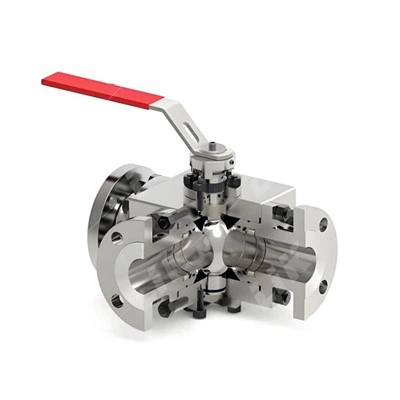
If you are in the market for trunnion mounted ball valves and are concerned about noise levels, we are here to help. Our team of experts has extensive experience in designing, manufacturing, and recommending solutions to minimize noise. We can work closely with you to understand your specific application requirements and provide you with the most suitable valve and noise – mitigation options.
Globe Valve Whether you are looking for a valve for a new project or need to replace an existing valve, we invite you to contact us to discuss your needs. We believe that our high – quality trunnion mounted ball valves, combined with our expertise in noise management, can provide you with a reliable and quiet solution for your industrial operations.
References
- "Fluid Mechanics" by Frank M. White
- "Valve Handbook" by E. F. Obert
- Occupational Safety and Health Administration (OSHA) guidelines on workplace noise levels
Wuxi PYNOS Flow-tech Co., Ltd.
As one of the leading trunnion mounted ball valves manufacturers and suppliers in China, we offer a wide range of products with superior quality. We warmly welcome you to buy high quality trunnion mounted ball valves made in China here from our factory. We also accept customized orders.
Address: Sales Center: 7th Floor, No.19 Qingyuan RD, Wuxi City, Jiangsu Prov., China
E-mail: Info@pynosvalve.com
WebSite: https://www.pynosvalves.com/
