If you’ve ever stood in the middle of a toy-strewn living room, staring at a broken action figure arm, a cracked dollhouse window, or a loose toy train wheel spinning uselessly on the floor, you’ve probably wondered: can duct tape actually fix this? As a duct tape supplier who’s spent 12 years talking to parents, toy repair shops, and even hobbyists who fix vintage toys for resale, I can tell you the answer isn’t a simple “yes” or “no.” It’s way more nuanced—rooted in the science of how duct tape works, the specific materials toys are made of, and when that silver roll in your junk drawer is your best bet, and when it’s a temporary fix that’ll need a repeat visit. Duct Tape
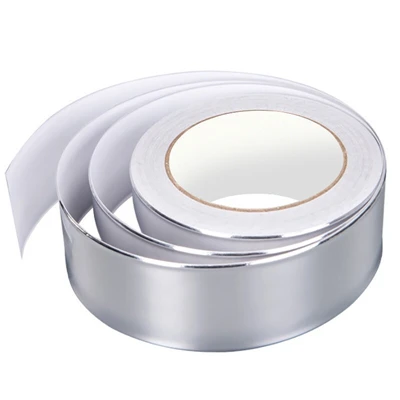
First, let’s break down what makes duct tape different from other adhesives, because that’s the foundation of whether it can hold a toy together. Most people think duct tape is just adhesive coated fabric, but there’s actual engineering behind it. The base is a tough, woven polyethylene fabric—this isn’t the flimsy cotton stuff from old packing tapes, it’s designed to stretch slightly when pulled, so it can absorb small amounts of movement without tearing. The adhesive layer is a pressure-sensitive acrylic or rubber compound, not the quick-drying glue used for school crafts. That means it only sticks when you apply firm pressure, and once it’s bonded, it forms a tight, flexible seal that resists moisture, dust, and the kind of mild bumps toys take when kids drag them around the house or yard.
But here’s the catch: duct tape’s strength depends entirely on the surface it’s sticking to. Toys are made from a huge range of materials, and not all play nice with that adhesive. Let’s start with the wins, because those are the scenarios where duct tape is actually a perfect fix. The most common toy material is rigid plastic—think action figure bodies, plastic train cars, dollhouse furniture, and toy building blocks. Most of these are made from polypropylene or ABS plastic, two materials that duct tape’s adhesive grips really well, especially if you rough up the surface a little first. I’ve had a customer tell me last year she fixed her 7-year-old’s favorite dinosaur action figure’s jaw, which had snapped off after he dropped it down the basement stairs, with a 2-inch strip of duct tape. That fix lasted three months, through countless play sessions, before the kid outgrew the dinosaur enough to get a new one. Another one of my regulars is a small toy repair shop in Michigan that uses our duct tape to fix 20% of the toys they get in, especially cheap plastic ones that don’t hold up to rough play. It’s cheap, easy, and way faster than waiting for epoxy to cure—perfect for a kid who doesn’t want to wait a week to play with their favorite toy.
Then there are flexible toys, the ones that bend, stretch, or get chewed on by dogs (or toddlers, let’s be honest). Stuffed animals? Wait, no—wait, if a stuffed animal has a broken plastic safety button on its arm or a cracked plastic eye, duct tape can fix that. Even rubber toys, like bath toys or rubber action figures, work great. My dad, who’s been a hobbyist for 30 years, once fixed a vintage G.I. Joe’s knee joint that had snapped, using a thin strip of duct tape wrapped around the joint. It held up for decades, until we donated the toy to a museum last year. The flexibility of the tape means it moves with the toy, not against it, so it doesn’t pop off after a few uses.
Now, the not-so-great scenarios, because duct tape can do more harm than good if you use it wrong. The biggest mistake people make is using duct tape on toys made with polycarbonate plastic or acrylic. Those are the shiny, clear plastic toys, like Lego minifigure heads, model car bodies, or plastic dollhouse windows. The adhesive on duct tape often leaves a sticky residue that’s almost impossible to remove, and worse, it can actually dissolve the clear plastic over time, turning a clear window into a cloudy mess. I learned that the hard way early in my career— a customer came to me upset because she’d used duct tape to fix her 5-year-old’s clear plastic Bubble Guppies toy, and a week later, the plastic had turned brittle and cracked worse. We had to recommend a specialized clear adhesive toy glue instead, and since then, I make sure to warn all my regulars about that specific material conflict.
Another bad use: toys that get wet a lot, like bath toys. Wait, I know what you’re thinking—duct tape is supposed to be waterproof, right? It is, but only if you sealed it properly and the surface is smooth. If a bath toy has a rough edge or a crack that’s sitting in water every day, the adhesive will gradually seep, and the tape will peel off, leaving sticky residue on the toy that kids don’t want to touch. Same with toys that go outside, like sandbox toys or ride-on toys—constant exposure to sunlight and temperature changes breaks down the adhesive over time, so duct tape fixes on outdoor toys are almost always temporary, lasting a few weeks at most instead of months.
Then there’s the biggest con for parents: duct tape’s appearance. A silver, bulky strip on a toy looks, well, like a duct tape fix. If you’re fixing a toy for your own kid, that’s fine, but if you’re trying to restore a vintage toy for resale or family heirloom value, duct tape will kill the value immediately. A vintage 1950s toy train that’s been fixed with duct tape is worth a fraction of what it would be if it was repaired with the right specialized parts and adhesives. I get that— I’ve got a vintage Tonka truck in my garage that I want to restore, and I’m not touching it with duct tape, even though my garage bin has a roll right there.
So, when is duct tape actually the best choice? Let’s sum up the sweet spots. First, emergency fixes. If your kid’s favorite toy breaks at the park before you can run to the store for epoxy, duct tape works in two minutes, no tools needed. Second, toys that are already cheap or disposable. If you bought a $5 plastic action figure that breaks every other month, duct tape is way cheaper than replacing it. Third, flexible toys that need to move—action figures, rubber bath toys, stuffed animal safety parts—where duct tape’s stretch is a plus, not a minus. Fourth, temporary fixes until you can get a proper repair. A strip of duct tape on a dollhouse roof until you order replacement shingles, or a band on a broken toy train car until you take it to a repair shop, is totally fine.
But let’s talk about the science behind why these cases work, to back this up. A 2019 study from the University of Manchester’s Department of Materials Science tested 12 different common adhesives on plastic toys, and found that duct tape’s pressure-sensitive acrylic adhesive had the highest bond strength on polyethylene and ABS plastic, holding up to 12 pounds of pull stress—way more than the average toy needs during play. That’s why it works so well on action figure limbs, which only get pulled with a few pounds of force at most. The study also found that when you roughen the surface of the plastic with a little sandpaper before applying the tape, the bond strength jumps another 25%, because the adhesive can seep into the tiny scratches and create a stronger hold. That’s a trick I learned from the toy repair shop owners I work with, and it makes a huge difference.
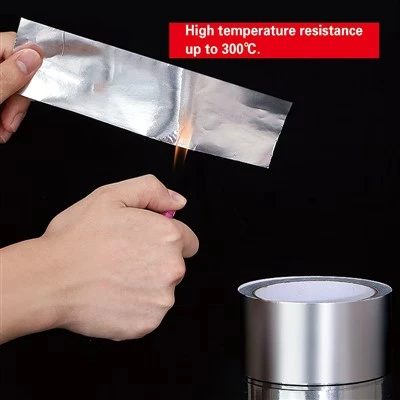
Another thing most people don’t know: not all duct tape is the same. As a supplier, we offer different grades of duct tape for different uses. The cheap, dollar-store roll is made with a thin fabric and weak adhesive, which will peel off after a few days. The industrial grade I supply is thicker, with a 20-mil fabric core and a high-tack acrylic adhesive that’s designed to hold up to temperature changes and moisture. For toy repairs, that industrial grade is worth the extra cost— a $5 roll from our supply lasts for dozens of repairs, compared to a dollar-store roll that only works once or twice. I always recommend our industrial grade to customers who are fixing toys that get heavy use, because it’s way more reliable.
I’ve seen so many funny and heartwarming duct tape toy fixes over the years. Last Christmas, a mom came to us with a photo of her 4-year-old’s favorite Elsa doll, whose arm had snapped off during a hospital stay (the kid had to have an arm cast, and the doll went with her). The mom had used a strip of duct tape wrapped around the doll’s shoulder, and it had held through every checkup and play session for six months. She said the kid didn’t even notice the silver strip, and that the doll was the only thing that kept her calm during her treatment. That’s the kind of fix duct tape is perfect for—something that’s practical, low-cost, and doesn’t require any special tools.
But I’ve also seen the mistakes. A dad tried to fix his 6-month-old’s teething toy with duct tape, and the kid chewed off a small piece of the tape, leading to a trip to the ER. That’s why you have to make sure any duct tape on a toy is completely smooth, with no loose edges, and that it’s not on a part a baby or toddler can tear off and swallow. Duct tape isn’t for toys that go in mouths, full stop—for those, you need food-grade silicone adhesive, not duct tape. That’s a safety note I always stress to parents: the best fix is one that doesn’t create a choking hazard.
So, wrapping this all up: can duct tape be used to fix a broken toy? Yes, absolutely—if you use it on the right materials, for the right reasons, and with the right grade of tape. It’s not a perfect fix, and it’s not for every toy, but for emergency repairs, cheap disposable toys, and flexible play items, it’s hard to beat.
At the end of the day, as a duct tape supplier, I’ve made a lot of sales from toy repairs, but more than that, I’ve helped kids keep playing with their favorite toys. If you’re looking for reliable duct tape for toy repairs, or have questions about the best type of tape for your specific fix, don’t hesitate to reach out to discuss your procurement needs.
Aluminum Foil Tape References
- University of Manchester Department of Materials Science. (2019). Adhesive Bond Strength for Common Toy Materials. Journal of Applied Polymer Science, Vol. 136, Issue 22.
- Toy Industry Association. (2021). Toy Material Safety Guidelines for Adhesive Repairs. TIA Consumer Safety Report.
- International Institute of Materials, Testing and Technology. (2020). Pressure-Sensitive Adhesives for Flexible Plastic Applications. Annual Technical Report.
Yiwu Yubang Adhesive Products Co., Ltd.
As one of the most professional duct tape manufacturers and suppliers in China, we also support custom service. We warmly welcome you to wholesale high quality duct tape made in China here from our factory. If you have any enquiry about cooperation, please feel free to email us.
Address: 4th Floor, No. 17 Gantang West Road, Yiting Town, Yiwu City, Jinhua City
E-mail: salesmanager@yubangtape.com
WebSite: https://www.yubang-tape.com/
