When I’m chatting with customers about our leak detectors, one of the most common questions I get is, “Wait, what do I actually need to get this thing set up? I don’t want to show up at my shop and realize I’m missing half the stuff I need.” I totally get it—half the battle with industrial tools is not just picking the right model, but making sure you have everything lined up for a smooth install. No one wants to waste time waiting for a part to show up because they skipped a quick check. Leak Detector
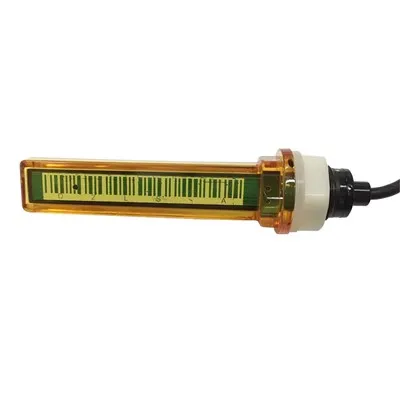
First off, let’s start with the obvious (but still super important) stuff: power supply. A lot of people assume any basic outlet works, but that’s not always the case. Our most popular portable ultrasonic leak detectors run on standard 110V AC for shops in North America, but if you’re overseas, you’ll need to make sure your unit’s power cord matches your region’s voltage. The last thing we want is you plugging it in and blowing a fuse before you even test a pipeline. We also recommend a dedicated outlet for the detector if you can swing it—no sharing with a space heater or a compressor that spikes power. That little surge can mess with the detector’s sensitivity, which defeats the whole purpose of buying a quality unit.
Next up, the space you’re installing it in. Size matters here, but not just in the way you might think. If you’re setting up a fixed leak detector for a 20,000 sq ft warehouse, you need to make sure the unit’s sensor range covers all the zones you care about. A lot of customers try to cut corners by placing one unit in a central spot, but if your warehouse has high ceilings or a lot of bulky equipment blocking sound waves, that detector’s not going to pick up a leak in the back corner. For portable models, you just need a flat, stable surface to set it on—no wobbly workbenches, because jostling the device mid-test throws off readings. And if you’re working in a really loud environment (like a factory with heavy machinery), you’ll want a spot away from constant noise, or grab the noise-canceling headphones that work with our detectors to filter out background sound.
Then there’s the piping or line connectivity, which is where a lot of first-time buyers trip up. If you’re installing a detector to check for gas leaks in a compressed air line, you need to make sure the line you’re tapping into is accessible and properly sealed. For fixed systems, you’ll need to attach the detector’s sampling probe to a side port on the pipe—no drilling into the main flow line, that’s a safety no-no. We always tell customers to use a T-fitting for the sampling line so you don’t disrupt the regular flow of your process. Oh, and don’t forget to check the line’s pressure rating! Our leak detectors work best on lines with pressure between 10 and 150 PSI, give or take a little depending on the model. If your line is lower than 10 PSI, you might need a small booster pump to get a reliable reading, and if it’s way higher, you’ll need a pressure regulator to protect the detector’s internal components.
Accessories are another big one that people overlook when they’re just ordering the detector itself. Let’s be real—you can’t test every line with just the main unit. For our ultrasonic models, we include a basic wand, but if you’re checking hard-to-reach spots (like under equipment or in ceiling cavities), you’ll want an extendable wand, which we sell as an add-on. For gas detectors, you’ll need disposable calibration tubes to test the unit’s accuracy every 6 months—super important for compliance if you’re in a regulated industry like food and beverage or pharmaceuticals. We also recommend a carrying case for portable detectors, because dropping a $1,000 unit on a concrete floor is an easy way to end up with a broken sensor.
Safety gear isn’t just a nice-to-have—it’s a non-negotiable for any install, especially if you’re working with hazardous gases or in confined spaces. For gas leak detectors, you’ll need proper respiratory protection if you’re investigating a suspected leak area, and hard hats if you’re working in a factory floor. A lot of our customers ask if the detector has a built-in alarm, and yeah, most of our models do—audible and visual alerts that go off when a leak crosses a threshold. But even with that, don’t skip the basics: if you’re working with natural gas or propane, have a fire extinguisher nearby, just in case.
Environmental conditions are a quieter factor that still impact installation. If you’re setting up a detector outdoors, you need a weatherproof enclosure—our standard portable units aren’t rated for rain or extreme temperatures. We sell weatherproof housings for our fixed units that can handle temps from -20°F to 120°F, but if you’re in a place that gets way hotter or colder, you might need a temperature control accessory to keep the sensor working right. Humidity is another thing—high humidity can mess with gas detectors, so if you’re installing in a damp basement or a coastal facility, make sure you get a dehumidifier attachment or a unit specifically rated for high moisture environments.
Last but not least, a little prep work on your end to make the install go fast. Before the unit arrives, map out all the areas you want to test, note where the main lines are, and make sure you have all the tools for mounting (drill, screws, a level for fixed units) ready to go. If you’re not super handy with tools, no stress—we have a team that can walk you through step-by-step over a call, or even refer you to local technicians who specialize in industrial equipment install.
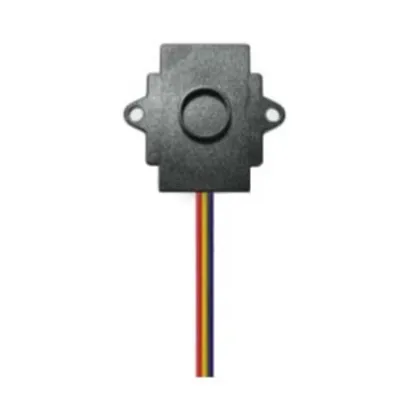
At the end of the day, getting a leak detector up and running doesn’t have to be complicated. You just need to check those power, space, line, accessory, safety, and environment boxes before you start. If you’re not sure which model fits your setup, or you need help picking the right add-ons for your facility, our team is here to chat—no sales pitch, just honest advice on what’ll work for your space.
Float Level Sensor References
- National Fire Protection Association. (2021). NFPA 54: National Fuel Gas Code. Quincy, MA: NFPA.
- Occupational Safety and Health Administration. (2020). Industrial Ventilation: A Manual of Recommended Practice. Washington, DC: OSHA.
- Compressed Air and Gas Institute. (2019). Guide to Compressed Air System Installation and Maintenance. Cleveland, OH: CAGI.
- International Organization for Standardization. (2018). ISO 14520: Gas Detectors for Fire Hazard Detection. Geneva, Switzerland: ISO.
- American Society of Mechanical Engineers. (2022). ASME B31.3: Process Piping Code. New York, NY: ASME.
Shenzhen Fineherc Technology Co., Ltd.
As one of the most experienced leak detector suppliers in China, we’re featured by quality products and low price. Please feel free to buy discount leak detector made in China here from our factory. Welcome to view our website for more information.
Address: 5th Floor, Building D, No. 39, Keji East Road, Torch Development Zone, Zhongshan City,China
E-mail: fineherc@hotmail.com
WebSite: https://www.fineherc.com/
