If you’ve ever stood at the entrance of an indoor playground, gym, or family fun center with your baseball glove tucked under one arm, a pair of inline skates slung over the other, and a curious little one tugging at your wrist, you’ve likely wondered: can I bring my own sports equipment here? As someone who’s spent the last 12 years designing, building, and supplying the indoor playground equipment that fills spaces like these, I’ve fielded this question more times than I can count—from nervous first-time parents, casual sports players, and even seasoned rec league coaches. The short answer isn’t a simple “yes” or “no,” though. It depends on a mix of safety protocols, space design, equipment condition, and the unique rules each venue has put in place to keep everyone playing safe. Let’s break this down like we do when we’re drafting custom play systems for our partners, pulling from both industry standards and real-world lessons from the hundreds of playgrounds we’ve outfitted across the country. Indoor Playground
First, let’s start with non-negotiables: safety. That’s the foundation of everything we build, and it’s the first thing any venue should reference when deciding whether to allow outside gear. Indoor playgrounds are enclosed, climate-controlled spaces designed to accommodate a specific, managed set of activities. When a guest brings in their own equipment, that’s an unknown variable—one that can disrupt the carefully calibrated balance of the space. For example, take inline skates: many indoor playgrounds add polished, smooth hard flooring to their multi-purpose activity zones for skating, floor hockey, or wheelchair-based play. An outside pair of skates might have worn, cracked wheels with sharp edges, or a loose buckle that could slip mid-step, scuffing the floor or even cutting another guest. We once worked with a venue in Portland that banned personal hockey sticks after a parent brought a used stick with a splintered end; a 7-year-old cut their hand during a pickup game, and the incident prompted the center to update their policy to exclude all personal sports sticks unless they’re inspected on arrival.
But it’s not just the gear itself—it’s how it’s used. Indoor playgrounds have a set number of “use zones” for each activity. If a guest brings their own basketball, that’s fine—so long as the ball is the right size for the court and for the age group playing. A standard men’s size 7 basketball, for example, is too heavy for our 6-8 year old play courts, and using one can strain a child’s wrist or make it harder for them to control the ball. Venues often stock their own equipment because we design it specifically for the space: foam basketballs for soft play courts, low-bounce balls for toddlers to avoid broken glass or ceiling light fixtures, and gear sized to match the structural dimensions of the play area. Bringing an outside ball that’s too bouncy or too hard can risk damaging the playground infrastructure we worked so hard to build—like the foam bumper blocks along the walls, the netting over the play structure, or even the glass panels in the snack bar area.
That said, there are plenty of cases where bringing your own sports equipment is not only allowed, but encouraged—when the equipment fits the venue’s protocols. Let’s talk about the types of gear that typically pass muster first: personal protective equipment, or PPE. We all know how important helmets are for bike rides, scooter trips, or even parkour-style play on elevated play structures. Most indoor playgrounds will let you bring your own certified helmet, as long as it’s not damaged. There’s a common misconception that “newer is better,” but actually, even a well-loved helmet that’s never been in a crash is fine—we always tell our venue partners that as long as the helmet has a valid safety sticker (like ASTM or CPSC), no cracks, and a tight, adjustable fit, it’s safe to use. The same goes for knee pads, elbow pads, and gloves for activities like indoor rock climbing (many venues will let you bring your own climbing gloves instead of renting theirs, which is a huge plus for families with kids who outgrow gear quickly).
Another area where outside gear is often welcome is niche activities that the venue doesn’t provide. For example, if a group of family members want to bring their own senior pickleball paddles for a friendly game on the venue’s dedicated pickleball court, that’s almost always allowed. The key here is that the paddles are in good condition—no cracked edges, no loose handles—and that the group sticks to their designated court so they don’t interfere with other play areas. We’ve even designed several indoor playgrounds with flexible courts that can be set up for pickleball, indoor soccer, or floor hockey, depending on the day, and those spaces usually have clear rules that personal equipment is allowed as long as it doesn’t stray outside the court lines.
Now, let’s get into the red flags that make venues say “no” to outside gear, because these are the exact scenarios we warn our partners about when we’re consulting on their safety manuals. First, damaged equipment. This might seem obvious, but you’d be surprised how many people show up with a soccer ball that’s flat on one side, a skateboard with a broken truck, or a pair of rollerblades with a loose frame. We always recommend that guests do a quick check of their gear before leaving home: inflate balls to the correct PSI, test that all screws and buckles are tight, and look for any sharp edges, splinters, or cracks. If your gear has any of those, it’s not safe to use at an indoor playground—full stop.
Second, gear that doesn’t fit the venue’s space constraints. We supply our playground partners with equipment that’s sized for their specific footprint. If you bring a large, bulky bag of cone markers for a multi-sport game, that might be fine, but if you bring a full-sized trampoline or a portable indoor goal that takes up half the play floor, that’s a problem. Indoor playgrounds have limited space for movement, and adding large outside gear can make it hard for other kids to run, climb, or play safely. It can also block emergency exits, which is a non-negotiable safety requirement per state and federal playground regulations. We once worked with a venue in Chicago that had to turn away a group of adults who tried to bring their own portable volleyball net; the net’s poles were so tall that they would have hit the ceiling lights, and the base was too wide for their volleyball court, so the group had to rent the venue’s gear instead.
Third, food-related sports equipment? Wait, no—let’s be clear: sports equipment that’s intended for outdoor use, like garden hoes, power tools, or construction equipment, is never allowed. That might sound silly, but every few months, a venue gets a request to bring in something like that for a “fun workday” or a novelty activity, and it’s immediately shot down by their safety team. Even well-intentioned, outdoor heavy equipment has no place in an enclosed play space with kids.
Now, what about rental gear vs. personal gear? As an indoor playground equipment supplier, we design rental gear for venues to be low-maintenance, durable, and easy to sanitize between uses. But that doesn’t mean personal gear is dirty—just that venues have to follow strict cleaning protocols for any shared equipment, and they often prefer that guests use their own if it’s clean and safe. For example, if you bring your own yoga mat for a stretching station in the play area, that’s totally fine—just make sure you pick it up when you’re done so it doesn’t become a tripping hazard for other kids.
I also want to address a common question I get from coach groups: what if we’re bringing a team to an indoor playground for a practice or tournament? Most indoor playgrounds have dedicated group rates for teams, and they’ll usually accommodate personal team gear as long as it’s stowed properly when not in use. The key here is to reach out to the venue ahead of time, not when you show up at the door. For teams, that means checking if there’s storage space for your bags of gear, confirming that the court you’re using is big enough for your activities, and agreeing to any extra safety rules for group play. We always advise our partners to set up a clear communication line with group organizers so there are no last-minute surprises.
Let me share a real lesson from one of our oldest clients, a playground in Columbus, Ohio, that’s been in business for 18 years. When they first opened, they had a very loose policy on outside sports equipment, and it led to a small incident: a parent brought their own metal baseball bat for a pickup game, and a bat slipped out of their hand, hitting a 5-year-old on the arm. The child was okay, but it prompted the venue to update their policy, and they reached out to us to help draft new safety guidelines. We worked with their team to create a tiered policy: PPE (helmets, pads) is allowed, small soft equipment (foam balls, lightweight bats) is allowed with inspection, and hard or sharp equipment (metal bats, hockey sticks with wooden shafts) is banned entirely. Since updating that policy in 2017, they haven’t had a single incident related to personal sports equipment, and their customer satisfaction scores have gone up because parents know exactly what to expect when they visit.
So, putting all this together, here’s the quick rule of thumb: always check the venue’s specific rules before you go, and when in doubt, stick to gear that’s in good condition, sized for the space, and not a hazard to others. If you’re bringing a team, reaching out ahead of time is non-negotiable.
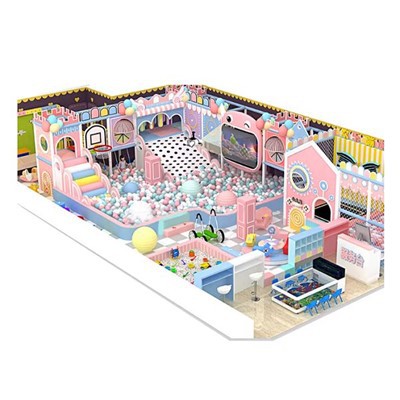
Now, if you’re an indoor playground owner or operator reading this, and you’re looking to update your equipment policy, or even design a new play space that balances safety and guest freedom, that’s exactly what we do. We don’t just supply pre-made playground equipment—we work with our partners to build custom spaces that fit their community’s needs, from multi-use activity zones that allow for flexible play to storage areas for personal gear that keeps the space uncluttered and safe. We’ve seen firsthand how a well-designed space, paired with clear, fair rules, makes for a better play experience for everyone.
Rocking Horse If you’re ready to talk about designing or updating your indoor playground, or if you have questions about how to craft a gear policy that works for your guests and your safety goals, we’d love to connect. Every playground is unique, and there’s no one-size-fits-all answer for gear rules—but with the right planning, you can create a space where everyone can play safely, whether they bring their own gear or use yours.
References
- Consumer Product Safety Commission. (2022). Playground Equipment Safety Guidelines for Indoor Facilities. U.S. Consumer Product Safety Commission.
- International Play Association. (2021). Best Practices for Guest-Generated Equipment in Indoor Play Spaces. International Play Association.
- National Recreation and Park Association. (2020). Risk Management for Multi-Use Indoor Sports Facilities. National Recreation and Park Association.
- ASTM International. (2023). Standard Safety Specifications for Indoor Playground Equipment. ASTM International.
- Indoor Playground Association. (2022). Operational Protocols for Guest and Venue Equipment in Family Entertainment Centers. Indoor Playground Association.
Wenzhou Linmao Technology Co., Ltd.
As one of the leading indoor playground manufacturers and suppliers in China, we also support customized service. Please feel free to buy high quality indoor playground made in China here from our factory. For pricelist, contact us now.
Address: Mei’ao Village, Qiaoxia Town, Yongjia County, Wenzhou City, Zhejiang Province, China
E-mail: 951045112@qq.com
WebSite: https://www.linmaoplay.com/
