As a supplier of sauna equipment, I’ve had numerous customers inquire about the differences between steam room equipment and sauna equipment. It’s a common question, especially for those looking to create a relaxing and therapeutic space in their homes or commercial establishments. In this blog post, I’ll delve into the key differences between these two types of equipment, their unique benefits, and factors to consider when choosing between them. Sauna Equipment

1. Heating and Humidity
One of the most significant differences between steam room equipment and sauna equipment lies in the way they heat the space and the resulting humidity levels.
Sauna equipment typically uses a heater to warm the air to high temperatures, usually ranging from 70°C to 100°C (158°F to 212°F). The humidity in a sauna is relatively low, generally between 5% and 20%. This dry – heat environment is created by pouring water over heated rocks (in traditional saunas) or by using electric heaters. The dry heat causes you to sweat profusely, which helps to flush out toxins from your body.
On the other hand, steam room equipment generates steam by boiling water. The temperature in a steam room is usually lower, around 40°C to 50°C (104°F to 122°F), but the humidity is extremely high, often reaching 100%. The moist heat in a steam room makes it feel more comfortable at lower temperatures, as the steam helps to open up your pores and moisturize your skin.
2. Health Benefits
Both steam rooms and saunas offer a variety of health benefits, but the nature of these benefits can differ due to the different heat and humidity conditions.
Sauna Benefits
- Cardiovascular Health: The high – temperature, low – humidity environment of a sauna causes your heart to pump faster, similar to the effect of light exercise. Regular sauna use has been associated with improved cardiovascular function, including lower blood pressure and a reduced risk of heart disease.
- Muscle Relaxation: The dry heat helps to relax tense muscles and reduce muscle soreness. It can be particularly beneficial for athletes or people with physical jobs.
- Detoxification: Sweating is the body’s natural way of eliminating toxins, and the intense sweating in a sauna can help remove heavy metals, alcohol, and other impurities from the body.
Steam Room Benefits
- Respiratory Health: The high humidity and warm steam in a steam room can help to soothe respiratory ailments such as colds, coughs, and sinus congestion. The steam moistens the respiratory passages, making it easier to breathe and expel mucus.
- Skin Health: The steam helps to open up pores and moisturize the skin, leaving it looking and feeling more supple. It can also help to reduce the appearance of acne and other skin blemishes.
- Stress Relief: The warm, steamy environment of a steam room has a calming effect on the mind and body, reducing stress and anxiety.
3. Equipment and Installation
The equipment required for a steam room and a sauna is different, and so is the installation process.
Sauna Equipment
- Heater: This is the heart of the sauna. It can be an electric heater, a wood – burning stove, or a gas heater. Electric heaters are the most common choice for home saunas due to their ease of use and safety.
- Thermostat: To control the temperature inside the sauna accurately.
- Ventilation System: Proper ventilation is essential to remove stale air and maintain a comfortable breathing environment.
- Seating: Usually made of wood, the seating provides a place for users to relax inside the sauna.
The installation of a sauna requires careful consideration of insulation, electrical wiring (if using an electric heater), and proper sealing to maintain the high temperatures. It’s also important to ensure that the sauna is installed on a stable and level surface.
Steam Room Equipment
- Steam Generator: This device boils water to produce steam. The size of the steam generator depends on the size of the steam room.
- Control Panel: To adjust the temperature and duration of the steam session.
- Ventilation System: A ventilation system is crucial in a steam room to remove excess steam and prevent the growth of mold and mildew.
- Moisture – Resistant Interior: The interior of a steam room should be made of materials that can withstand high humidity, such as ceramic tiles or fiberglass.
Installing a steam room requires creating a waterproof and airtight enclosure. The plumbing and electrical connections for the steam generator need to be carefully installed to ensure safety and proper operation.
4. Space Requirements
The space requirements for a steam room and a sauna can vary.
Saunas can be relatively compact and are available in a variety of sizes, from small one – person units to large commercial saunas. They can be installed in basements, garages, or even outdoors in some cases. However, they do require some insulation to maintain the high temperatures, so a well – insulated space is ideal.
Steam rooms, on the other hand, need to be fully enclosed and waterproofed. They also require more headroom compared to saunas, as the steam needs to rise and circulate. The larger the steam room, the more powerful the steam generator will need to be.
5. Maintenance
Maintenance is an important factor to consider when choosing between steam room equipment and sauna equipment.
Sauna Maintenance
- Wood Cleaning: If the sauna has a wooden interior, it needs to be cleaned regularly to prevent the buildup of dirt and sweat. This can be done with a mild non – abrasive cleaner.
- Heater Maintenance: Depending on the type of heater, it may require occasional inspection and cleaning. Electric heaters should be checked for proper electrical connections, while wood – burning stoves need to have the ashes removed regularly.
- Ventilation Check: Regularly check the ventilation system to ensure it is working properly and remove any blockages.
Steam Room Maintenance
- Mold and Mildew Prevention: Due to the high humidity, steam rooms are more prone to mold and mildew growth. Regular cleaning with a mildew – resistant cleaner is essential.
- Steam Generator Maintenance: The steam generator needs to be descaled regularly to prevent the buildup of limescale, which can reduce its efficiency and lifespan.
- Ventilation Maintenance: Just like in a sauna, the ventilation system in a steam room should be checked and cleaned regularly to ensure proper steam removal.
6. Cost
The cost of installing and operating a steam room and a sauna can also differ.
The initial cost of sauna equipment can vary depending on the size, type of heater, and quality of materials. Electric saunas are generally more affordable than wood – burning or gas saunas. However, the cost of insulation and installation should also be taken into account. In terms of operating costs, electric saunas are relatively inexpensive to run, especially if used for short periods.
Steam room equipment, particularly the steam generator, can be more expensive. The larger the steam room, the more powerful and costly the steam generator will be. Additionally, the cost of water and energy for the steam generator needs to be considered. The ongoing maintenance costs for a steam room can also be higher due to the need to prevent mold and mildew growth and descale the steam generator.
Conclusion
In conclusion, the choice between steam room equipment and sauna equipment depends on several factors, including personal preferences, health goals, available space, and budget. Both types of equipment offer unique benefits and can provide a relaxing and therapeutic experience.
If you’re interested in a dry – heat environment that promotes cardiovascular health and muscle relaxation, a sauna may be the right choice for you. On the other hand, if you’re looking for a moist – heat environment that benefits respiratory and skin health, a steam room could be more suitable.
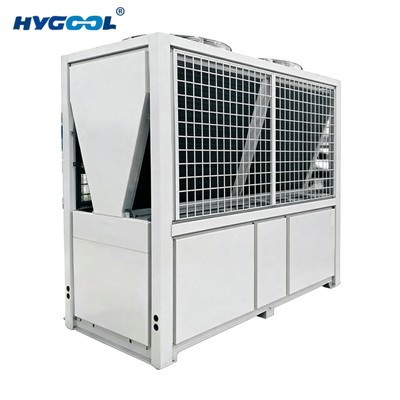
Pool Heater As a sauna equipment supplier, I’m here to help you make an informed decision. Whether you’re interested in a sauna or a steam room, I can provide you with high – quality equipment and professional advice on installation and maintenance. If you’d like to discuss your specific needs and explore our product range, please reach out to me. I’m looking forward to helping you create the perfect relaxation space.
References
- "The Health Benefits of Saunas and Steam Baths: A Review of the Medical Evidence" by Z. Jagim, et al.
- "Sauna and Steam Room Use: Effects on the Cardiovascular System" by J. Laukkanen, et al.
- "Respiratory Benefits of Steam Inhalation" from the American Lung Association.
Guangzhou Qiaoyi Water Treatment Technology Co., Ltd.
Address: Floor 6th, Building 2, No. 3, Ketai 1st Road, Baiyun District, Guangzhou 510445, Guangdong Province, China
E-mail: Hygool@hygool.com
WebSite: https://www.hygool.com/
