What is the best ratio of Zen garden stones to open space?
As a supplier of Zen garden stones, I’ve had the privilege of witnessing the transformative power these stones bring to various spaces. Zen gardens, with their roots in ancient Japanese traditions, are designed to promote tranquility, meditation, and a connection with nature. The balance between the stones and the open space is a critical aspect that can make or break the overall aesthetic and spiritual experience of a Zen garden. In this blog, I’ll delve into the factors to consider when determining the best ratio of Zen garden stones to open space. Zen Garden Stones
Understanding the Basics of Zen Gardens
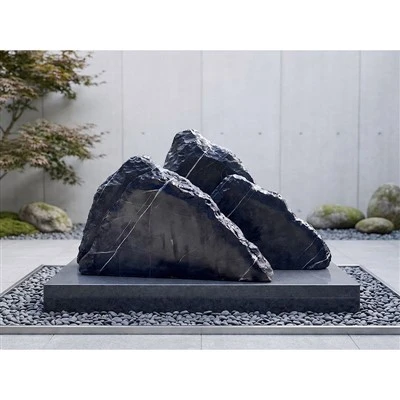
Zen gardens, also known as karesansui, are a form of Japanese rock garden. These gardens typically consist of natural elements such as rocks, sand, gravel, and sometimes a few carefully placed plants. The rocks in a Zen garden represent mountains, islands, or other natural features, while the sand or gravel, raked in a pattern, symbolizes water. The open space plays a crucial role in creating a sense of emptiness and tranquility, allowing for contemplation and meditation.
Factors Influencing the Ratio
There isn’t a one – size – fits – all ratio for Zen garden stones to open space. Several factors come into play when deciding on the appropriate balance.
-
Size of the Garden
The physical size of the Zen garden is a significant determinant. In a small garden, a higher proportion of open space may be more suitable. This is because too many stones can make the area feel cramped and overwhelming. For example, in a balcony Zen garden that might be just a few square meters, a ratio of one part stones to three parts open space can create a sense of airiness and serenity. On the other hand, in a large outdoor garden spanning several hundred square meters, a more generous use of stones can be accommodated. A ratio of one part open space to one part stones may work well here, as the larger area can handle the visual weight of more stones without feeling overcrowded. -
Purpose of the Garden
The intended use of the Zen garden also affects the ratio. If the garden is primarily for meditation, a more open space with fewer stones might be ideal. The open area allows the mind to relax and focus, free from too many visual distractions. A ratio of one part stones to four parts open space can provide a peaceful and distraction – free environment. However, if the garden is designed more for aesthetic display or as a focal point in a landscape, a higher concentration of stones can be used. A ratio of two parts stones to one part open space can create a bold and striking visual impact. -
Type of Stones
The type and size of the Zen garden stones you choose are crucial. Larger stones have a more substantial visual presence and can dominate the space. When using large boulders as the main feature, you’ll want to have a greater proportion of open space around them to let their beauty shine. For instance, if you’re using a single large rock as the centerpiece, a ratio of one part stone to five or six parts open space can give it the prominence it deserves. Smaller pebbles or gravel, on the other hand, can be used more liberally. They can cover a larger area without overwhelming the space, and a ratio closer to one – to – one might work well. -
Surrounding Environment
The context of the Zen garden within its surrounding environment matters. If the garden is located in a busy urban setting, a higher ratio of open space can help create an oasis of calm. The open area can act as a buffer against the external chaos. In contrast, if the garden is in a natural, wooded area, a more balanced ratio with more stones can blend in better with the natural surroundings, mimicking the rocky outcrops and natural formations found in the wild.
Ideal Ratios for Different Scenarios
Based on the factors mentioned above, here are some general guidelines for ideal ratios of Zen garden stones to open space:
-
Small Indoor Zen Gardens
For a small indoor Zen garden, such as one placed on a tabletop or in a corner of a room, a ratio of one part stones to four parts open space is often a good starting point. This allows the stones to be the focal point while still maintaining a sense of openness and tranquility. You can use small, smooth stones and a shallow tray filled with sand to create a simple yet effective Zen garden. -
Medium – Sized Outdoor Gardens
In a medium – sized outdoor garden, say around 20 – 50 square meters, a ratio of one part stones to two parts open space can work well. This provides a good balance between the natural beauty of the stones and the open area for contemplation. You can use a combination of larger rocks and smaller pebbles to add variety to the garden. -
Large Public Zen Gardens
Large public Zen gardens, which are often designed for multiple visitors to enjoy, can have a more diverse ratio. A ratio of two parts stones to one part open space might be appropriate, especially if the garden is meant to showcase different landscapes and rock formations. These gardens can incorporate large boulders, rock sculptures, and extensive gravel areas to create a complex and engaging experience.
Design Considerations for Achieving the Right Ratio
- Layout Planning: Before placing the stones, sketch out a rough plan of the garden. This will help you visualize the ratio of stones to open space and make adjustments as needed.
- Symmetry and Asymmetry: Decide whether you want a symmetrical or asymmetrical design. Symmetrical designs typically have a more balanced and formal look, while asymmetrical designs can create a sense of movement and naturalness. The choice of symmetry can also influence the perception of the ratio of stones to open space.
- Layered Approach: Use a layered approach to incorporate different types of stones and open areas. For example, start with a large central rock, surround it with smaller pebbles, and then have a larger open area of raked sand around the perimeter. This creates a sense of depth and dimension in the garden.
Conclusion
Finding the best ratio of Zen garden stones to open space is a delicate balance that depends on multiple factors. By considering the size of the garden, its purpose, the type of stones, and the surrounding environment, you can create a Zen garden that is both aesthetically pleasing and spiritually enriching.
Decorative Gravel As a supplier of Zen garden stones, I’m passionate about helping you create the perfect Zen garden. Whether you’re a novice gardener or a seasoned landscape designer, I have a wide range of high – quality stones to meet your needs. If you’re interested in purchasing our Zen garden stones and would like to discuss your project, feel free to reach out. We can have a detailed discussion about the best stones for your garden and the ideal ratio to achieve the desired effect.
References
- "The Art of Japanese Gardens" by Marc Pijanowski
- "Zen Gardens: Designing and Maintaining Your Own Place of Peace and Tranquility" by Christine F. Carley
- "Japanese Garden Design: A Visual Guide to Traditional Styles and Techniques" by Wendy Johnson
Orin International Trade Co., Ltd.
With abundant experience, we are one of the most professional zen garden stones manufacturers and suppliers in China. We warmly welcome you to wholesale custom made zen garden stones from our factory. If you have any enquiry about cooperation, please feel free to email us.
Address: No.3-1, Shangzhongdi Natural Village, Hexian Village, Shuangta Sub-district, Jiangshan City, Quzhou City, Zhejiang Province
E-mail: atlas@orinstone.com
WebSite: https://www.orinstone.com/
