If you’ve ever walked a construction site, toured a factory, or even helped set up a temporary stage for an outdoor event, chances are you’ve come across aluminum beams. As a supplier of these beams, I’m asked one question more than any other: Are alum beams recyclable? It’s a fair question—especially right now, when construction, manufacturing, and event industries are under growing pressure to cut waste and operate more sustainably. Let me break this down from the perspective of someone who’s sold, installed, and tracked the lifecycle of thousands of these beams over the past 12 years. Alum Beams
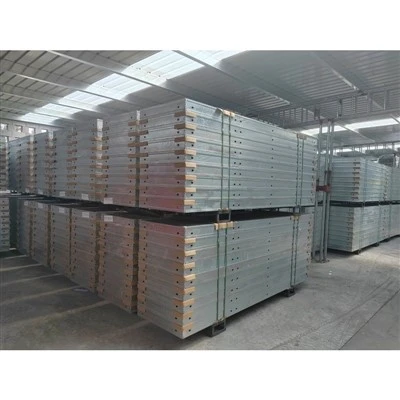
First, let’s get one thing straight: aluminum is one of the most recyclable materials on the planet. I don’t say that as a sales pitch— I say that because I’ve seen it firsthand. When a customer sends back a set of aluminum beams that have reached the end of their project life, our team sorts them, checks for damage, and prepares them for their next chapter. The reality is that aluminum never loses its quality when recycled. Unlike paper, which can only be recycled 5 to 7 times before its fibers break down, or plastic, which often degrades into lower-grade materials with every melt, aluminum can be recycled infinitely with no loss in strength or performance. That’s a game-changer for any industry that relies on durable, structural materials like ours.
But let’s talk specifically about alum beams, because not all aluminum products are made the same. The beams we supply—like most structural aluminum beams—are typically made from 6061 or 6063 grade aluminum. These alloys are chosen for their high tensile strength, corrosion resistance, and ability to hold up under heavy loads, whether they’re supporting a warehouse mezzanine, spanning a stage for a concert tour, or forming a temporary support system for a residential construction project. What makes these grades ideal for recycling is their consistent composition. When you’re recycling mixed metals, it’s harder to separate and reuse them, but 6061 and 6063 are standard alloys, so they melt down cleanly and can be remolded into new beams, automotive parts, even soda cans—you name it.
I remember a customer who works in temporary event structures. They’d rent out our aluminum beams for music festivals, corporate conferences, and high school graduations, and every year, they’d have a few sets that were too worn or damaged to rent again. A few years ago, they started sending those worn beams to a local recycling center instead of tossing them in a landfill. Last year, they told us that the recycler paid them $0.45 per pound for the old beams—enough to cover the cost of a full set of new hardware for their rental fleet. That’s not just a win for the planet; it’s a win for their bottom line. I’ve seen that play out across industries: construction companies that partner with us to take back old beams at the end of a project save money on waste disposal fees, and the revenue from recycling often offsets that cost entirely.
Of course, no product is 100% recyclable in practice, right? The process isn’t always as simple as dropping a beam in a recycling bin. Let’s talk about the barriers that come up when recycling alum beams, because that’s part of the real-world picture. First, there’s the issue of contamination. If a beam has leftover concrete, paint, or rust attached to it, that can throw off the recycling process. When our customers send back beams, we have a small team that does a light cleaning—chipping off small bits of concrete, sanding down paint flakes—before we send them to be processed. For customers without an in-house team, we offer a low-cost cleaning service, because we know that clean aluminum fetches a higher price at recycling facilities and turns into better, more usable new products.
Another barrier is transport. Aluminum is lightweight compared to steel, but moving a full truckload of beams from a construction site to a recycling center can still add up in costs, especially for customers in rural areas. That’s why we’ve built a network of local recycling partners across the country. When a customer finishes a project, they can call our team, and we’ll arrange for a pickup at a rate that’s often cheaper than what they’d pay for a separate trip to the recycler. Last year, we picked up over 200,000 pounds of alum beams from construction and event sites—most of it from customers who told us they would have otherwise thrown the beams away because they didn’t want to deal with the transport hassle.
There’s also the question of end-of-life value. Some customers tell us they’d rather keep old beams for future projects than recycle them, and that makes perfect sense. Aluminum beams are durable—we’ve seen beams that are 20 years old still holding up perfectly. I recently worked with a general contractor who’s used our beams on every hospital expansion project in the region since 2005. He only recycles a beam if it’s bent beyond repair, and even then, he saves the scrap metal to use as rebar for small concrete forms. That circular use is even better than recycling, because it keeps the beam in service longer. But when a beam does reach the end of its useful life, aluminum’s recyclability means it never becomes waste. It’s not sitting in a landfill for hundreds of years—it’s back in the supply chain within weeks.
Let’s put this in perspective with numbers. Making new aluminum from raw bauxite ore uses about 95% more energy than recycling aluminum. That’s a stat I’ve memorized because it’s so impactful. For every ton of aluminum we recycle, we save about 14,000 kilowatt-hours of electricity—enough to power an average U.S. home for 1.5 years. Multiply that by the 200,000 pounds we picked up last year, and that’s 100 tons of recycled aluminum, which translates to 1.5 million kilowatt-hours saved, or about 125 average homes’ annual electricity use. That’s not just a nice environmental number—it’s real, measurable impact that our customers care about, especially the ones that have sustainability goals to hit for their own clients.
I’ve also had customers ask if there’s a difference in the recyclability of new vs. used alum beams. The short answer is no. When a beam is made from new aluminum, it’s melted down from bauxite, while a used beam is melted down from old aluminum, but the process is identical. The only caveat is that if a beam has been modified—like cut to a custom length, or drilled extra holes—those modifications don’t affect its recyclability. The metal itself is still pure 6061 or 6063, so it will melt down and be reused just like a unmodified beam. I’ve seen cut, drilled, even slightly bent beams recycled without any issues.
Of course, the recycling process isn’t perfect. There will always be some aluminum that ends up in landfills, usually because it’s too contaminated to process or it’s in a remote area where transport isn’t feasible. But that number is tiny compared to other materials. The Aluminum Association reports that the U.S. aluminum recycling rate is over 90% for most post-consumer products, and structural aluminum beams are right in that range. I can tell you that our own take-back program has a 92% recycling rate—every beam that comes back to us that can’t be refurbished for reuse is sent to a certified aluminum recycler, and almost none of it ends up in a landfill.
As a supplier, we’ve made it a core part of our business to support the lifecycle of our alum beams, not just sell them. That means we offer competitive pricing that accounts for the recyclable nature of the material, we provide clear guidelines for customers on how to prepare beams for return, and we partner with recycling facilities to ensure the process is as efficient as possible. We also educate our customers on the value of keeping beams in service longer—whether that’s selling them as used beams at a discounted rate, or helping them modify beams for new projects. Last year, we modified over 50,000 pounds of used beams for event customers, turning a beam that would have been retired into a new set for a smaller festival.
I know there’s still a lot of confusion about recycling in the construction and event industries. Some people think aluminum is just as bad as other metals when it comes to end-of-life, but that’s not true. Others think the cost of recycling is too high, but when you factor in waste disposal fees and the energy savings from making new aluminum, it often ends up being cheaper than throwing beams away. For example, a customer in Chicago told us that they used to pay $12,000 a year to dispose of old construction materials, including aluminum beams. After partnering with our take-back program, they now get $8,000 a year from recycling the beams, and they only pay $1,000 in transport and cleaning fees—netting them a $19,000 annual profit. That’s a no-brainer, right?
The bottom line is that alum beams are extremely recyclable, and their infinite recyclability makes them one of the most sustainable structural materials available today. But the real impact comes from more than just the material itself—it comes from the choices we make as suppliers and customers to take responsibility for the entire lifecycle of the product. That’s why we’ve invested in our take-back program, partnered with local recyclers, and worked with our customers to make recycling as easy and affordable as possible.
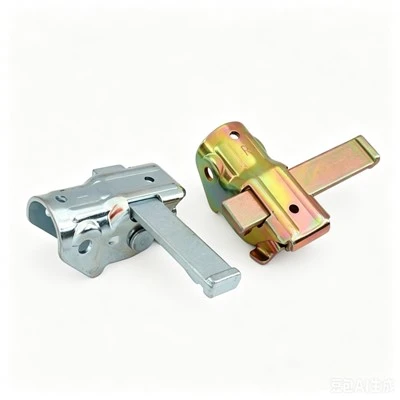
If you’re using alum beams for your next project, and you have questions about what to do with them when the job is done, or if you’re looking to source high-quality, recyclable aluminum beams for your construction, event, or industrial needs, we’re here to help. We can walk you through the take-back process, explain our recycling guidelines, and even help you source used beams to reduce your project’s environmental footprint. Reach out to our team to discuss your needs and learn more about how we can support your sustainable goals.
Frame Scaffolding References
The Aluminum Association. (2024). Aluminum Recycling Facts & Figures. Retrieved from industry database
U.S. Energy Information Administration. (2023). Energy Use in Metal Production. Washington, D.C.
International Organization for Standardization. (2022). ISO 6361: Wrought Aluminum Alloys for General Structural Applications. Geneva, Switzerland
Rizhao Wellfit Scafform Co., Ltd.
Address: No. 7, Huasheng Road, Taoluo Town Industrial Zoon, Donggang District, Rizhao City
E-mail: sales@wfscafform.com
WebSite: https://www.wfscafform.com/
