If you’re in the coil processing, packaging, or metal fabrication game, you’ve probably Googled “what’s the weight of a slitting machine” more times than you care to admit. I know I have—back when I was just figuring out how our machines work and not the guy standing behind the counter answering every single customer’s question. Here’s the thing: slitter weights aren’t some random number we pull out of thin air. They’re tied to what the machine’s actually supposed to do, the materials it’s built for, and how much of it is real steel (the heavy, non-negotiable kind) versus the smaller, lighter parts. Let me walk you through this like I would to a new guy on the shop floor or a customer who just called panicking because their old slitter crapped out. Slitting Machine
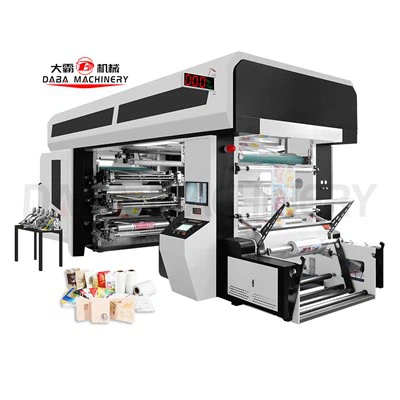
First off, let’s kill the myth that all slitters weigh the same. That’s like asking “how much does a car weigh?” and expecting a straight answer—are we talking a tiny Smart Car or a fully loaded semi? Slitters run the gamut from tiny tabletop units that sit on a workbench to behemoths that need their own concrete slab to sit on, and every size in between. Let’s break down the most common ones you’ll actually run into, no jargon promise.
Start with the small guys—tabletop slitting machines. These are for tiny coils, thin materials, like plastic film, packaging tape, or thin aluminum foil. If you’re a small business that does custom packaging or a print shop that needs to cut up rolls of vinyl, you don’t need something the size of a pickup truck. These tabletop units are usually somewhere between 150 lbs (68 kg) and 500 lbs (227 kg). Wait, 500 lbs? That’s still heavy for a tabletop, right? Yeah, but think about what’s in ’em: the cutting heads, the tensioners that keep the roll from slipping, the frame that holds everything steady. If you made ’em too light, they’d shake so bad when you run a roll at 50 feet a minute, you’d get wonky cuts every time. I had a customer once who tried to skimp and buy a cheap Chinese tabletop slitter that only weighed 80 lbs (36 kg). Total disaster—would cut two strips instead of six, and the blades bent after a week. Lesson learned: weight here isn’t just a number, it’s how much solid build you’re getting.
Next up, mid-sized slitters. These are the workhorses. The ones small to medium manufacturing shops buy for slitting thicker aluminum, thin steel sheets, maybe even fabrics or cardboard rolls. These are standalone units that don’t need a building’s foundation, but they definitely need a forklift to move ’em. We’re talking 2,000 lbs (907 kg) up to 10,000 lbs (4,536 kg) here. Why such a big range? Let’s say you have a mid-sized slitter for 12-inch wide rolls vs. 60-inch wide rolls. The frame for a 60-inch slitter is way bigger—you need a longer bed, thicker side plates to support the extra width, more powerful motors to pull the heavier roll material. I had a customer last year who upgraded from a 3,000 lbs mid-sized slitter to an 8,000 lbs one because he started processing thicker steel (1/8 inch instead of 0.02 inch aluminum). He told me the old one “vibrated like a jackhammer” when he cranked up the speed and the steel got heavy enough to put strain on the machine. The heavier mid-sized one? No vibration, cuts straight every time. That’s the trade-off: more weight = sturdier = can handle tougher materials or faster speeds.
Then there’s the big leagues—industrial slitting lines. These are the monsters you see in auto factories, big metal fabricators, or companies that process tons of coil every day. These are not standalone units; they’re whole lines: uncoiler (the thing that holds the big roll), slitter head, tensioner, recoilers, all wired up to a control panel. The weight here is insane—we’re talking 20,000 lbs (9,072 kg) all the way up to 100,000 lbs (45,359 kg) for the biggest custom lines. I once helped a client coordinate a 70,000 lbs slitter line delivery—they had to close down a highway ramp for two days just to get the truck in, and they poured a 12-inch thick concrete pad just to hold it. Why so heavy? These lines handle huge coils—some are 60,000 lbs themselves, so the machine has to hold and process that without flexing. If the frame flexes even a little, the slitter blades get out of alignment, and you end up with a whole roll of scrap that’s useless. The steel in these lines isn’t just 1/4 inch plate; some of the side frames are 2+ inches thick. Plus, you’ve got big hydraulic systems, 10+ horsepower motors, heavy-duty brakes—all that adds up. You don’t buy a 100,000 lbs slitter unless you’re running 24/7, processing thick steel or stainless steel, and producing hundreds of thousands of pounds of slit material a month.
Wait, but here’s a question I get all the time: does the material being slit affect the machine’s weight? Short answer—sort of, but not directly. Let me explain. A slitter meant for plastic film doesn’t need as heavy a frame as one for steel, because plastic is thin and low-tension. But if you have a slitter that’s built to handle both thin film and thick steel, it’s going to be on the heavier side to accommodate the tension from thick metal. Also, custom features add weight: if you want automatic blade grinding, or a computerized control panel with touchscreens, or a recoil system that can handle multiple small rolls at once, that adds a few hundred or thousand pounds depending on the feature. Some customers will skimp on the base model to save a few grand, then add so many extra bells and whistles that the weight jumps up 1,000 lbs. No judgment—we’ve all been there, trying to fit a budget. But just know that when you add a bunch of features, you’re adding weight, and that’s not a bad thing. It means the machine can handle what you’re asking it to do.
Another thing to keep in mind: when you’re looking at slitter weights, make sure you’re not just looking at the machine itself, but if there are auxiliary parts. For example, a standalone tabletop slitter might be 300 lbs, but if you add an uncoiler or a recoil stand, that’s another 150 lbs or more. The big industrial lines we talked about—their weight is the whole line, so you have to factor in all those auxiliary units. A lot of suppliers will list the “base machine weight” which is just the slitter head, but not the uncoiler or recoiler. Don’t get tricked by that. Last year we had a customer compare our mid-sized slitter to a competitor’s. The competitor listed base machine weight as 4,000 lbs, ours was 5,000 lbs. He thought theirs was lighter, until he realized theirs didn’t include the recoil stand, which added another 1,000 lbs, making theirs 500 lbs heavier total. Oops. That’s the kind of tiny detail that trips people up.
Now, let’s talk about why weight actually matters, beyond moving the machine with a forklift. If you buy a slitter that’s too light for your application, here’s what happens. For thin materials like film or foil, a light machine might work for a little while, but as you speed it up or process slightly thicker material, you’ll get blade deflection. That’s when the blades move a tiny bit out of alignment because the frame isn’t stiff enough. So instead of a straight, clean cut, you get wavy edges, slits that are off by an eighth of an inch, or even torn material. For thicker steel, a light frame will flex under the tension, leading to even worse cuts—scrap, wasted time, wasted money. I had a small steel fabricator call me last year, panicking because he bought a cheap slitter online for $10k less than our brand. He said it kept cutting slits that were uneven, and after a month one of the side plates cracked from the vibration. Turns out the machine was only 4,500 lbs, and it was rated for 1/8 inch steel, but he was running 3/16 inch. The extra weight of the thicker steel was too much for the flimsy frame. He ended up buying one of our mid-sized slitters, which weighed 8,000 lbs, and now he says he hasn’t had a scrap roll in six months. That’s the kind of stuff you can’t get from a spec sheet number—you have to match the machine’s weight to what you’re processing.
Wait, but let’s not act like heavier is always better. If you’re a small print shop cutting vinyl, why would you buy a 10,000 lbs slitter? You don’t need that kind of power or stiffness, and it’s way more expensive, harder to move, and you’d be wasting a ton of capacity. The sweet spot is matching the machine’s weight to your maximum load. If you’re only processing thin materials up to 12 inches wide, a 150-500 lbs tabletop is perfect. If you’re doing 60-inch wide rolls of aluminum, 2,000-5,000 lbs mid-sized is where you want to be. If you’re running auto body parts and processing 100,000 lbs coils a month, you need the big, heavy lines.
I also get asked if the weight changes over time. No, not really—unless you’re adding parts to it, like extra blade sets or a different control panel. The frame is solid steel, so once it’s built, the weight stays pretty much the same. The only time it might fluctuate is if you have a hydraulic system that leaks, but that’s a maintenance issue, not normal. So don’t worry about your slitter getting heavier as it ages—unless you’re piling scrap metal on top of it, which is not a good idea.
Let me wrap this up, because I know you’re probably here because you’re shopping for a slitter and want to make sure you get the right one, not the one that’ll give you headaches. The weight of a slitting machine isn’t a random number—it’s a direct indicator of what it’s built for. Tiny tabletop slitters: 150-500 lbs, for small thin materials. Mid-sized standalone slitters: 2,000-10,000 lbs, for medium jobs and thicker materials. Industrial lines: 20,000-100,000 lbs, for heavy, high-volume production. Always check if the weight includes auxiliary parts, match the machine’s weight to your material and speed needs, and don’t be fooled by a lower price for a lighter machine if it can’t handle what you’re doing.
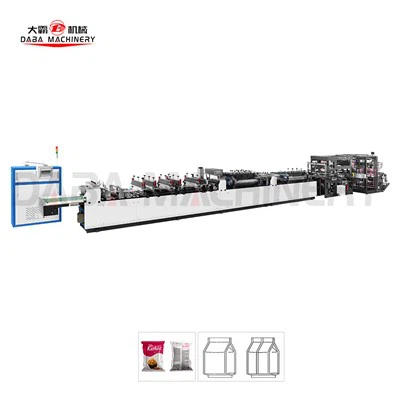
If you’re still not sure what size slitter you need—whether you’re a small business just starting out or a big operation looking to upgrade—hit me up. I can walk you through exactly what weight and model will work best for your materials, budget, and production goals. No pushy sales stuff, just real talk from someone who’s been in this game for years, fixed more than my fair share of bad slitters, and wants you to get the right machine the first time.
Gantry-Type Slitting Machine References:
- Coil Processing Technology Association. (2022). Slitting Machine Design and Load Requirements. Retrieved from industry technical publications
- Modern Metal Fabrication. (2021). Choosing the Right Slitting Machine for Your Operation. Retrieved from manufacturing industry guides
- Global Slitter Inc. Internal Product Specifications (2019-2023). Slitting Machine Weight and Application Matching Data
Wenzhou Daba Machinery Co., Ltd.
With abundant experience, we are one of the most professional slitting machine manufacturers and suppliers in China. We warmly welcome you to wholesale advanced slitting machine at competitive price from our factory. If you have any enquiry about cooperation, please feel free to email us.
Address: Qianbu Industrial Zone, Xincheng Street, Ruian City, Wenzhou, China.
E-mail: info1@dabamachinery.com
WebSite: https://www.dabaflexpack.com/
