As a supplier of plastic feeding equipment, I’ve witnessed firsthand the critical role that feeding consistency plays in the plastics processing industry. In today’s blog post, I’ll delve into what feeding consistency is, why it’s so important, factors that affect it, and how my company’s equipment can ensure optimal feeding consistency. Plastic Feeding Equipment

Understanding Feeding Consistency
Feeding consistency refers to the ability of plastic feeding equipment to deliver a uniform and continuous flow of plastic materials into the processing machinery, such as an extruder or an injection molding machine. This consistency is measured in terms of the amount of material delivered per unit of time, which should remain as stable as possible throughout the production process.
For example, in an injection – molding operation, if the feeding consistency is poor, some molded parts may have incorrect dimensions or physical properties. Too much material could lead to over – packing of the mold, causing flash or excessive stress in the part, while too little material may result in incomplete filling and a defective product.
Why Feeding Consistency Matters
Quality of the End Product
The quality of plastic products is directly impacted by the feeding consistency. In industries where precision is crucial, such as the medical and aerospace sectors, even the slightest deviation in the feeding rate can lead to products that do not meet the required specifications. For medical devices, inconsistent feeding can affect the strength, flexibility, and biocompatibility of the plastic components. In aerospace, it can compromise the structural integrity of parts.
Production Efficiency
Consistent feeding also enhances production efficiency. When the feeding rate is stable, the processing machinery can operate at its optimal speed and with fewer stoppages. This reduces the overall production time and increases the output. In contrast, inconsistent feeding can cause jams, blockages, and breakdowns in the machinery, leading to costly downtime.
Cost Savings
Proper feeding consistency helps in reducing material waste. When the amount of plastic fed into the process is consistent, there is less need for over – feeding to ensure that all products are filled correctly. This not only saves on raw material costs but also reduces the cost associated with waste disposal.
Factors Affecting Feeding Consistency
Material Properties
The physical and chemical properties of the plastic materials have a significant impact on feeding consistency. For instance, materials with high moisture content may clump together, making it difficult to achieve a uniform flow. Similarly, materials with different particle sizes or densities can cause variations in the feeding rate. Some plastics are also more prone to static electricity, which can lead to material sticking to the equipment walls and disrupting the feeding process.
Equipment Design and Condition
The design of the plastic feeding equipment is crucial for maintaining feeding consistency. A poorly designed hopper may not allow for a smooth flow of materials, leading to bridging or rat – holing. The screw feeder, if not properly sized or configured, may not be able to convey the material at a consistent rate. Additionally, the wear and tear of the equipment over time can also affect its performance. For example, a worn – out screw may not be able to grip the material effectively, resulting in inconsistent feeding.
Operating Conditions
The operating environment can also influence feeding consistency. Temperature and humidity can affect the properties of the plastic materials. High temperatures may cause the plastic to soften and become more difficult to handle, while low humidity can increase static electricity. The speed of the processing machinery and the backpressure in the system can also impact the feeding rate.
How Our Plastic Feeding Equipment Ensures Consistency
Advanced Design
Our plastic feeding equipment is designed with state – of – the – art technology to ensure optimal feeding consistency. Our hoppers are engineered to prevent bridging and rat – holing, with features such as anti – static liners and vibration devices to promote a smooth material flow. The screw feeders are precisely calibrated to deliver a constant amount of material, regardless of the material properties.
Quality Components
We use only high – quality components in our equipment. The screws are made from durable materials that resist wear and tear, ensuring long – term performance. The motors and controllers are of the highest quality, providing accurate speed and torque control to maintain a consistent feeding rate.
Customization
We understand that different customers have different requirements. That’s why we offer customized solutions for our plastic feeding equipment. We can adjust the design and settings of the equipment to meet the specific needs of your production process, whether you are dealing with a particular type of plastic material or have unique operating conditions.
Monitoring and Control Systems
Our equipment is equipped with advanced monitoring and control systems. These systems can continuously monitor the feeding rate and make real – time adjustments to ensure consistency. For example, if the system detects a deviation in the feeding rate, it can automatically adjust the speed of the screw feeder or the vibration of the hopper to correct the problem.
Case Studies
Let me share a couple of case studies to illustrate how our plastic feeding equipment has improved feeding consistency for our customers.
One of our customers, a manufacturer of plastic pipes, was experiencing significant variations in the wall thickness of their pipes. After installing our feeding equipment, the feeding consistency improved dramatically. The pipes now had a more uniform wall thickness, resulting in a higher – quality product and a significant reduction in waste.
Another customer, an injection – molding company, was facing frequent machine breakdowns due to inconsistent feeding. Our equipment was able to provide a stable feeding rate, which reduced the number of breakdowns and increased the overall production efficiency by 20%.
Conclusion
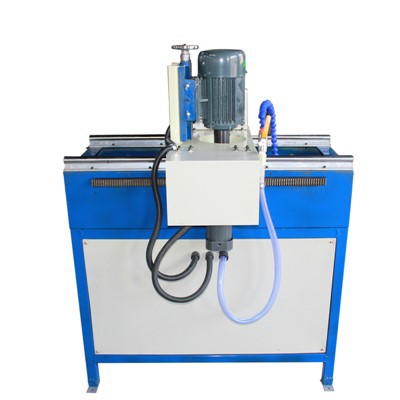
In conclusion, feeding consistency is a critical factor in the plastics processing industry. It affects the quality of the end product, production efficiency, and cost savings. As a supplier of plastic feeding equipment, we are committed to providing our customers with the best – in – class solutions to ensure optimal feeding consistency. Our advanced design, high – quality components, customization options, and monitoring systems make our equipment the ideal choice for any plastics processing application.
Plastic Cleaning Equipment If you are looking to improve the feeding consistency in your plastics production process, I encourage you to reach out to us. Our team of experts is ready to discuss your specific needs and provide you with a customized solution. Let’s work together to take your plastics processing to the next level.
References
- "Plastics Processing Handbook" by O. Olabisi
- "Feeding and Conveying of Bulk Solids" by J. A. Wiles
- Industry reports from leading plastics research organizations.
Laizhou Yuening Machinery Co., Ltd.
As one of the most reliable plastic feeding equipment manufacturers in China, we warmly welcome you to buy cheap plastic feeding equipment made in China here from our factory. All customized machines are with high quality and low price. For pricelist, contact us now.
Address: Yuanjia Village, Luwang, Shahe Town, Laizhou City, Yantai City, Shandong Province
E-mail: yueningjixie@163.com
WebSite: https://www.ynplasticmachinery.com/
