Pavement thickness is a critical parameter in road construction and maintenance. Accurate measurement of pavement thickness helps ensure the structural integrity, durability, and safety of roads. As a leading pavement testing equipment supplier, I have witnessed firsthand the importance of reliable and efficient measurement techniques. In this blog post, I will explore the various methods and technologies used by pavement testing equipment to measure pavement thickness. Pavement Testing Equipment

Non – Destructive Testing (NDT) Methods
Non – destructive testing methods are highly desirable in pavement evaluation as they allow for quick and efficient thickness measurements without causing damage to the pavement surface. These methods are especially useful for large – scale projects and for continuous monitoring of pavement conditions.
Ground Penetrating Radar (GPR)
Ground Penetrating Radar is one of the most widely used non – destructive techniques for measuring pavement thickness. GPR works by emitting electromagnetic waves into the pavement. When these waves encounter a change in the dielectric properties of the material, such as the interface between different pavement layers or between the pavement and the underlying subgrade, a portion of the waves is reflected back to the antenna on the surface.
The time it takes for the reflected waves to return is measured, and using the known velocity of the electromagnetic waves in the pavement material, the thickness of the layers can be calculated. The velocity of the waves in the pavement is determined through calibration procedures, which typically involve taking core samples at selected locations and comparing the GPR measurements with the actual thickness of the cores.
GPR systems can be mounted on vehicles, allowing for high – speed data collection over large areas. This makes it ideal for network – level pavement surveys. The data collected by GPR can be processed using specialized software to generate detailed cross – sectional profiles of the pavement, showing the thickness of each layer.
Ultrasonic Pulse Velocity (UPV)
The Ultrasonic Pulse Velocity method involves sending ultrasonic waves through the pavement. The time taken for the waves to travel from a transmitter to a receiver placed on the pavement surface is measured. The velocity of the ultrasonic waves in the pavement is related to its density and elastic properties.
By knowing the distance between the transmitter and the receiver and the travel time of the ultrasonic waves, the thickness of the pavement can be estimated. However, this method is more suitable for thinner pavements and is often used in conjunction with other techniques for more accurate results. UPV can also provide information about the internal structure and quality of the pavement, such as the presence of voids or cracks.
Destructive Testing Methods
While non – destructive testing methods are preferred in many cases, destructive testing methods are still used for verification and calibration purposes. These methods involve physically removing a portion of the pavement to directly measure its thickness.
Core Sampling
Core sampling is the most common destructive testing method for measuring pavement thickness. A core drill is used to extract cylindrical samples from the pavement. The drill bit is typically made of diamond or other hard materials to ensure efficient cutting through the pavement layers.
The core samples are then brought to the laboratory, where their lengths are measured using a caliper or a ruler. Core sampling provides the most accurate measurement of pavement thickness as it directly measures the actual thickness of the extracted sample. However, it has several limitations. Core sampling is time – consuming, requires significant labor, and can cause damage to the pavement surface. It is also a point – based measurement, meaning that it only provides information about the thickness at the specific locations where the cores are taken.
Sawing and Measurement
Another destructive method involves sawing a section of the pavement and then directly measuring the thickness of the exposed layers. This method is similar to core sampling in terms of accuracy but is even more invasive and time – consuming. It is typically used in situations where detailed information about the pavement structure, such as the thickness and composition of individual layers, is required.
Factors Affecting Pavement Thickness Measurement
Several factors can affect the accuracy of pavement thickness measurement using testing equipment.
Material Properties
The dielectric properties of the pavement material can significantly affect the performance of GPR. Different types of asphalt, concrete, and aggregate have different dielectric constants, which can cause variations in the velocity of the electromagnetic waves. Moisture content in the pavement also affects the dielectric properties, leading to potential errors in GPR thickness measurements.
For ultrasonic methods, the density and elastic properties of the pavement material influence the velocity of the ultrasonic waves. Variations in these properties due to factors such as aging, temperature, and compaction can affect the accuracy of UPV measurements.
Surface Conditions
The roughness and irregularities of the pavement surface can pose challenges for both non – destructive and destructive testing methods. In GPR, a rough surface can cause scattering of the electromagnetic waves, leading to inaccurate reflections and thickness measurements. For core sampling and sawing, a rough surface can make it difficult to obtain representative samples.
Layer Interface Definitions
In some pavements, it can be challenging to clearly define the interfaces between different layers. For example, in pavements with multiple asphalt layers or in pavements where there is inter – mixing between the layers, it can be difficult to accurately determine the boundaries, which can lead to errors in thickness measurement.
Importance of Accurate Pavement Thickness Measurement
Accurate measurement of pavement thickness is crucial for several reasons.
Structural Design
Pavement thickness is a key factor in the structural design of roads. Engineers use thickness data to determine the appropriate pavement structure to withstand the expected traffic loads and environmental conditions. If the pavement thickness is underestimated, the pavement may not be able to support the traffic, leading to premature failure. On the other hand, overestimating the thickness can result in unnecessary construction costs.
Maintenance and Rehabilitation
Knowledge of pavement thickness is essential for maintenance and rehabilitation planning. By accurately measuring the thickness of the existing pavement, engineers can determine the appropriate maintenance strategies, such as overlay thickness or the need for full – depth reconstruction. This helps in optimizing the use of resources and extending the service life of the pavement.
Quality Control
During the construction process, accurate thickness measurement is a critical quality control parameter. It ensures that the pavement is constructed according to the design specifications. Deviations from the specified thickness can indicate problems with the construction process, such as improper compaction or inaccurate material placement.
Choosing the Right Pavement Testing Equipment
As a pavement testing equipment supplier, I understand the importance of choosing the right equipment for your specific needs. Here are some considerations when selecting pavement testing equipment for measuring pavement thickness:
Project Requirements
The nature and scale of the project will determine the most suitable testing method. For large – scale network surveys, non – destructive methods such as GPR are often the best choice due to their high – speed data collection capabilities. For small – scale projects or for verifying design specifications, core sampling may be more appropriate.
Accuracy Requirements
The required level of accuracy will also influence the choice of equipment. If high – precision measurements are needed, core sampling or a combination of non – destructive and destructive methods may be necessary. Non – destructive methods can provide acceptable accuracy for most applications but may require calibration using destructive methods.
Cost and Time Constraints
Cost is always an important factor in any project. Non – destructive testing methods generally have lower costs in terms of labor and time compared to destructive methods. However, the initial investment in equipment can be significant. Consider your budget and the available time for testing when choosing the equipment.
Conclusion
Measuring pavement thickness is a critical aspect of pavement management, from design to construction and maintenance. There are various methods and technologies available, each with its own advantages and limitations. As a pavement testing equipment supplier, we offer a wide range of solutions to meet the diverse needs of our customers.
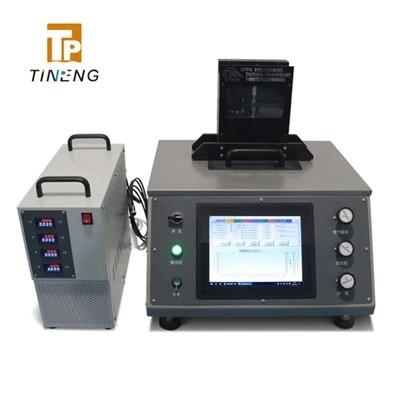
Whether you need high – speed non – destructive testing equipment for large – scale projects or accurate destructive testing tools for detailed analysis, we have the expertise and products to support you. Our team of experts can provide guidance on the best testing methods and equipment for your specific requirements.
Universal Testing Machines If you are interested in learning more about our pavement testing equipment or would like to discuss your project needs, please do not hesitate to contact us. We look forward to the opportunity to work with you and contribute to the success of your pavement projects.
References
- ASTM International, “Standard Test Methods for Thickness of Asphalt Paving Mixtures in Place,” ASTM D2444
- Federal Highway Administration, “Ground Penetrating Radar for Pavement Evaluation,” FHWA – HRT – 08 – 051
- American Concrete Institute, “Guide for Nondestructive Testing of Concrete,” ACI 228.2R
Zhuozhou Tianpeng Imp. and Exp. Trade Co., Ltd.
Zhuozhou Tianpeng Imp. and Exp. Trade Co., Ltd. is one of the most professional pavement testing equipment manufacturers and suppliers in China, featured by quality products and good price. Please rest assured to buy advanced pavement testing equipment made in China here from our factory. Customized orders are welcome.
Address: Building C28, Hegu Technology Industrial Park, Development Zone, Zhuozhou, Hebei, China
E-mail: zhangdajing@testmould.com
WebSite: https://www.testmould.net/
