As a long – standing supplier in the field of Spine RF Plasma Surgical Systems, I’ve witnessed firsthand the crucial role these advanced medical devices play in revolutionizing spinal surgeries. One of the most important aspects that ensure the superior performance of our systems is the calibration process. In this blog, I’ll delve into the calibration process of Spine RF Plasma Surgical Systems, sharing insights based on our years of experience and commitment to quality. Spine RF Plasma Surgical Systems
The Significance of Calibration in Spine RF Plasma Surgical Systems
Calibration is not just a routine technical procedure; it is the cornerstone of the reliability and accuracy of Spine RF Plasma Surgical Systems. In spine surgeries, the margin for error is extremely small. Even the slightest miscalibration can lead to sub – optimal treatment outcomes, which may cause additional complications for patients. By calibrating our systems regularly, we ensure that the energy output, temperature control, and all other critical parameters are precisely set according to the requirements of different surgical scenarios.
Accurate calibration directly impacts the safety and effectiveness of the surgery. For example, in radiofrequency (RF) plasma procedures, the correct energy level is essential for precisely ablating or shrinking the target tissue without causing damage to the surrounding healthy structures. Improper energy output can result in insufficient treatment, leaving the underlying problem unresolved, or excessive damage, leading to post – operative pain and a longer recovery period for the patient.
Initial System Setup and Pre – calibration Checks
Before initiating the calibration process, a series of initial system setup and pre – calibration checks are necessary. Our team of experienced technicians first ensures that the Spine RF Plasma Surgical System is installed in an appropriate environment. The operating room should have stable power supply, proper ventilation, and a suitable temperature and humidity range. Any fluctuations in these environmental factors can affect the performance of the system and potentially lead to inaccurate calibration results.
We then conduct a visual inspection of the system components, including the RF generator, plasma electrodes, cables, and connectors. Any signs of physical damage, such as frayed cables or loose connectors, are immediately addressed. A damaged component can cause electrical interference or inconsistent energy transfer, which will undermine the calibration process.
Next, we perform a self – diagnostic test on the system. Most of our Spine RF Plasma Surgical Systems are equipped with built – in self – diagnostic software that can detect potential hardware or software malfunctions. This test helps us identify any underlying issues before proceeding with the calibration, saving time and ensuring that the calibration process is carried out on a fully functional system.
Calibration of Energy Output
The calibration of energy output is one of the most critical steps in the calibration process of Spine RF Plasma Surgical Systems. The energy output of the RF generator needs to be precisely controlled to achieve the desired surgical effect.
We use specialized calibration equipment, such as power meters and oscilloscopes, to measure the actual energy output of the system. These instruments provide accurate readings of the power, frequency, and waveform of the RF signal. Our technicians compare the measured values with the pre – set specifications of the system.
During the calibration process, if the measured energy output deviates from the specified values, our technicians make adjustments to the RF generator. This may involve fine – tuning the internal circuitry, adjusting the power supply settings, or replacing certain components if necessary. We repeat the measurement and adjustment process multiple times until the energy output is within the acceptable tolerance range.
It’s important to note that different surgical procedures may require different energy levels. For example, a minimally invasive discectomy may require a lower energy output compared to a more complex spinal fusion procedure. Therefore, our calibration process is designed to be flexible, allowing us to set the energy output according to the specific requirements of each surgical application.
Temperature Calibration
Temperature control is another crucial factor in Spine RF Plasma Surgical Systems. The high – energy RF plasma can generate heat, and excessive heat can cause thermal damage to the surrounding tissues. Therefore, accurate temperature calibration is essential to ensure the safety of the patient during the surgery.
We use thermocouples and infrared sensors to measure the temperature at the tip of the plasma electrode. These sensors provide real – time temperature data, which is then compared with the pre – set temperature limits. Our calibration process involves adjusting the cooling system of the electrode and the power regulation of the RF generator to maintain the temperature within the safe range.
In addition, we also conduct temperature stability tests. We monitor the temperature over a period of time to ensure that it remains consistent during the surgery. Any sudden fluctuations in temperature can be a sign of a malfunction in the system, and our technicians will investigate and resolve the issue immediately.
Flow Rate and Pressure Calibration
In some Spine RF Plasma Surgical Systems, a fluid irrigation system is used to cool the electrode and remove debris during the surgery. The flow rate and pressure of the irrigation fluid need to be accurately calibrated to ensure its proper function.
We use flow meters and pressure sensors to measure the flow rate and pressure of the irrigation fluid. Similar to the energy output and temperature calibration, the measured values are compared with the system specifications. If there are any deviations, our technicians adjust the pump settings or the fluid delivery channels to achieve the correct flow rate and pressure.
Proper flow rate and pressure calibration are important for maintaining a clear surgical field and preventing the overheating of the electrode. A low flow rate may not provide sufficient cooling, while a high flow rate or pressure can cause excessive tissue displacement and potential damage.
Verification and Documentation
After completing all the calibration steps, we conduct a final verification of the system. This involves performing a series of test procedures using phantom models or simulated surgical scenarios. We check the overall performance of the system, including the energy output, temperature control, flow rate, and pressure, to ensure that it meets all the specified requirements.
Once the verification is successful, we document the calibration process in detail. This documentation includes the calibration date, the measured values before and after calibration, the adjustments made, and the results of the verification tests. The documentation serves as an important record for quality control purposes and can be used for future reference and auditing.
Continuous Monitoring and Re – calibration
Calibration is not a one – time event. The performance of Spine RF Plasma Surgical Systems can change over time due to factors such as component aging, environmental conditions, and frequent use. Therefore, we recommend continuous monitoring of the system performance and regular re – calibration.
Our company provides comprehensive after – sales service, including remote monitoring of the system performance. We use advanced software to collect data on the energy output, temperature, and other critical parameters of the system. If any abnormal trends are detected, we can proactively schedule a re – calibration to ensure the continued accuracy and reliability of the system.
Conclusion
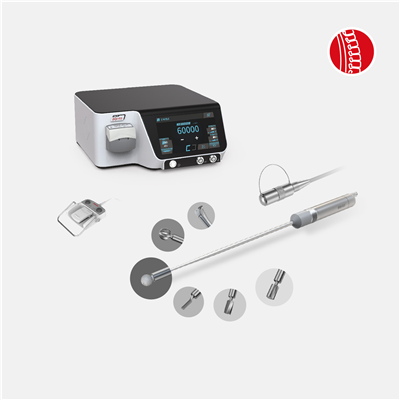
The calibration process of Spine RF Plasma Surgical Systems is a complex and meticulous procedure that requires a high level of technical expertise and strict quality control. As a supplier, we are committed to providing our customers with systems that are accurately calibrated and perform at the highest level.
UBE Surgical Instrument Sets If you are in the market for Spine RF Plasma Surgical Systems or are interested in learning more about our calibration process and product offerings, we invite you to contact us for a procurement discussion. Our team of experts is ready to answer your questions and provide you with the best solutions for your surgical needs.
References
- [1] "Principles of Radiofrequency Ablation in Spine Surgery", Journal of Spinal Disorders & Techniques
- [2] "Temperature Control in Minimally Invasive Spinal Procedures", International Journal of Spine Surgery
- [3] "Calibration Standards for Medical Devices in Surgical Applications", Medical Device Technology Magazine
Jiangsu Bonss Medical Technology Co., Ltd.
As one of the most professional spine rf plasma surgical systems manufacturers and suppliers in China, we’re featured by quality products and good price. Please rest assured to buy bulk spine rf plasma surgical systems for sale here from our factory. Customized orders are welcome.
Address: Building #7,No.898,China Medical City Avenue, Haling District, Taizhou City.Jiangsu P.R. China
E-mail: inquiry@plasma-surgical.com
WebSite: https://www.bonssmedical.com/
