Hey there! I’m a supplier of stainless steel sheets and plates. You might be wondering about the whole deal with the yield strength of these steel products and how it impacts their use. Well, stick around, ’cause I’m gonna break it down for you in a way that’s easy to understand. Stainless Steel Sheet/Plate
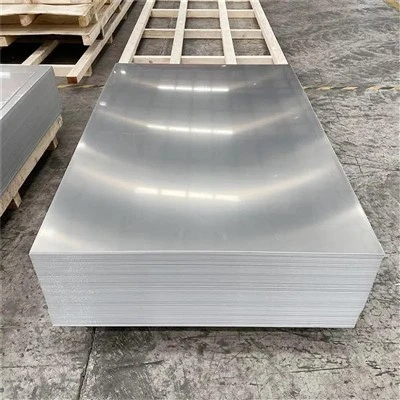
First off, let’s talk about what yield strength actually means. The yield strength of stainless steel sheets and plates is the stress at which the material starts to deform plastically. In simpler terms, it’s the point where the steel doesn’t just bend a little and then go back to its original shape (that’s elastic deformation), but it starts to change its shape permanently. Think of it like when you’re trying to bend a paperclip. At first, you can bend it a bit and it springs back, but once you bend it too far, it stays bent—that’s the point where it’s hit its yield strength.
So, how does this yield strength thing affect how we use stainless steel sheets and plates? Well, let’s start with construction. In the construction industry, stainless steel sheets and plates are used for all sorts of stuff like building facades, structural supports, and even interior decoration. When it comes to structural supports, the yield strength is super important. If you’re building a high – rise building or a bridge, you need steel that can handle a lot of weight and stress without deforming permanently. A steel with a high yield strength can support more load before it starts to yield. This means that you can use less material in the structure, which can save on costs and make the construction process more efficient.
On the other hand, if you use a stainless steel sheet or plate with a low yield strength in a high – stress structural application, it’s likely to start deforming under the load. This can lead to all sorts of problems, like structural instability, which is a big no – no. I’ve seen situations where the wrong choice of steel has led to costly repairs and even delays in construction projects. So, in construction, knowing the yield strength of the stainless steel you’re using is crucial to ensure the safety and durability of the structure.
Now, let’s move on to the manufacturing industry. Stainless steel sheets and plates are used to make a wide range of products, from kitchen appliances to automotive parts. In the case of kitchen appliances, low – yield – strength stainless steel might be a better choice in some situations. For example, when you’re stamping or forming the steel into complex shapes for a refrigerator or a dishwasher, a lower yield strength makes the material easier to work with. It can be bent and shaped more easily without cracking or breaking.
However, this low – yield – strength steel might not be suitable for parts that need to withstand a lot of force, like the hinges on a heavy – duty oven door. For those applications, you need a high – yield – strength stainless steel. It can handle the repeated opening and closing, as well as the weight of the door, without deforming over time.
In the automotive industry, both high – and low – yield – strength stainless steel have their uses. Low – yield – strength steel can be used for body panels, which often need to be shaped into aerodynamic and stylish designs. High – yield – strength steel, on the other hand, is used for structural components like the chassis and safety cages. These parts need to be strong enough to protect the passengers in case of a collision. So, depending on the specific requirements of the automotive part, the yield strength of the stainless steel has a big impact on its performance.
Another area where the yield strength matters is in the food and beverage industry. Stainless steel is widely used for equipment like tanks, piping, and processing machinery. In food processing, the equipment needs to be cleanable and resistant to corrosion, but the yield strength also plays a role. For small – scale equipment that doesn’t have to handle a lot of pressure, a lower – yield – strength stainless steel might be sufficient. But for large – scale industrial tanks that store liquids under high pressure, a high – yield – strength steel is a must. It can prevent the tank from deforming or bursting under pressure, which is obviously a huge safety concern.
Now, as a supplier, I know how important it is to understand the yield strength of the stainless steel sheets and plates I’m selling. I have to be able to provide the right product for the right application. That’s why I work closely with my customers to figure out what their specific needs are. Whether they’re a construction company building a skyscraper or a small – scale manufacturer making custom – designed products, I’m here to help them make the best choice.
I’ve got a wide range of stainless steel sheets and plates in stock, each with different yield strengths. I can offer advice on which one is most suitable for their project. For example, if you’re working on a project where you need to do a lot of forming and bending, I might recommend a lower – yield – strength option. But if you need a steel that can handle heavy loads and stress, I’ll point you towards the high – yield – strength products.
One thing I always tell my customers is that it’s not just about the yield strength. Other factors like corrosion resistance, formability, and cost also need to be considered. Sometimes, a slightly lower – yield – strength steel might be a better choice if it offers better corrosion resistance or is more cost – effective. That’s where my experience and knowledge come in handy. I can help you balance all these factors to find the perfect stainless steel for your needs.
When it comes to choosing the right stainless steel for your project, it’s also important to test the material. You can’t just rely on the manufacturer’s specs. That’s why I offer sample testing services. I can send you a small sample of the stainless steel sheet or plate you’re interested in, and you can test it to see how it performs under your specific conditions. This way, you can be sure that you’re getting the right product.
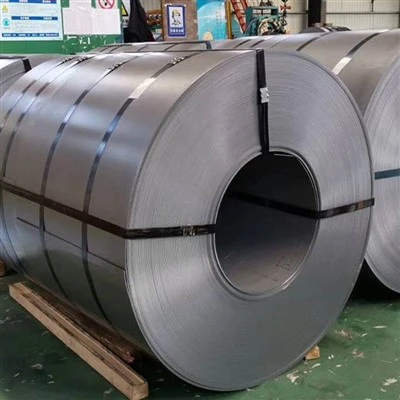
In conclusion, the yield strength of stainless steel sheets and plates has a huge impact on their use. It affects everything from the safety and durability of a construction project to the ease of manufacturing in the industry. As a supplier, I’m committed to providing the best possible products and services to my customers. Whether you’re a beginner in the stainless steel game or a seasoned pro, I’m here to help you make informed decisions. So, if you’re in the market for stainless steel sheets or plates, don’t hesitate to reach out. I’d love to have a chat about your project and how I can assist you in finding the perfect stainless steel solution.
Stainless Steel References:
- "Metallurgy of Stainless Steels" by Bernard M. Dupont and Ramesh Singh
- "Stainless Steel in Construction" by Manfred Lücke and Rainer Uhlmann
Wuxi Jin Ming Jian De Industry & Trade Co., Ltd.
Wuxi Jin Ming Jian De Industry & Trade Co., Ltd. is one of the most professional stainless steel sheet/plate manufacturers and suppliers in China, also supports customized service. With abundant experience, we warmly welcome you to wholesale CE approved stainless steel sheet/plate in stock here from our factory. If you have any enquiry about quotation, please feel free to email us.
Address: 2102-2105, Yuexing Building, Guangnan Road, Liangxi District, Wuxi City, Jiangsu Province, China.
E-mail: info@wxjmjdss.com
WebSite: https://www.jmjdsteelexp.com/
