As a supplier of LF/VD/VOD refining furnaces, I’ve witnessed firsthand the profound impact these advanced pieces of equipment have on the quality and properties of steel, particularly its ductility. Ductility, the ability of a material to deform under tensile stress without fracturing, is a crucial characteristic in many steel applications, from construction to automotive manufacturing. In this blog, I’ll delve into how LF/VD/VOD refining furnaces influence the ductility of steel and why they are indispensable in modern steelmaking. LF/VD/VOD Refining Furnace
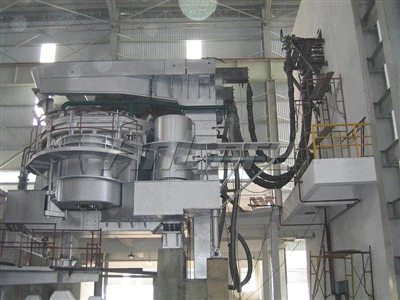
Understanding LF/VD/VOD Refining Furnaces
Before we explore their effects on ductility, let’s briefly understand what LF/VD/VOD refining furnaces are.
The Ladle Furnace (LF) is a secondary refining unit used to adjust the temperature and chemical composition of molten steel. It operates by heating the steel in a ladle using electrodes while adding various alloys and fluxes. The LF is capable of precise temperature control and can remove impurities such as sulfur and non – metallic inclusions.
The Vacuum Degassing (VD) furnace is a key component in the steel refining process. It works by subjecting the molten steel to a high – vacuum environment. This process effectively removes dissolved gases such as hydrogen, nitrogen, and oxygen from the steel, which can otherwise cause defects and reduce the steel’s mechanical properties.
The Vacuum Oxygen Decarburization (VOD) furnace is specifically designed for the production of stainless steel and other high – alloy steels. It uses a combination of oxygen blowing and vacuum treatment to reduce the carbon content in the steel while minimizing the loss of valuable alloying elements.
Impact on Ductility through Impurity Removal
One of the primary ways LF/VD/VOD refining furnaces enhance the ductility of steel is by removing impurities. Non – metallic inclusions, such as oxides, sulfides, and silicates, are common impurities in steel. These inclusions act as stress concentrators, which can initiate cracks when the steel is subjected to tensile stress.
In the LF, the addition of fluxes helps to absorb and remove these non – metallic inclusions. The fluxes react with the inclusions and form a slag layer on top of the molten steel, which can be easily removed. By reducing the number and size of non – metallic inclusions, the LF improves the homogeneity of the steel structure, allowing it to deform more uniformly under stress and thus increasing its ductility.
The VD furnace plays a crucial role in removing dissolved gases from the steel. Hydrogen, in particular, is known to cause hydrogen embrittlement, a phenomenon where the presence of hydrogen reduces the ductility and toughness of the steel. By creating a high – vacuum environment, the VD furnace allows the hydrogen to diffuse out of the molten steel, significantly improving its ductility. Nitrogen and oxygen can also form brittle compounds in the steel, and their removal by the VD furnace further enhances the steel’s ductility.
The VOD furnace is effective in removing carbon from the steel. High carbon content in steel can lead to the formation of hard and brittle carbides, which reduce the ductility of the steel. By precisely controlling the decarburization process, the VOD furnace can produce steel with a lower carbon content, resulting in improved ductility, especially in high – alloy steels.
Influence on Microstructure
The LF/VD/VOD refining processes also have a significant impact on the microstructure of the steel, which in turn affects its ductility.
In the LF, the precise control of temperature and chemical composition allows for the formation of a more uniform and fine – grained microstructure. A fine – grained microstructure provides more grain boundaries, which act as barriers to dislocation movement. When the steel is deformed, the dislocations are more likely to be blocked at these grain boundaries, leading to more uniform deformation and increased ductility.
The VD and VOD processes, by removing impurities and controlling the chemical composition, also contribute to the formation of a favorable microstructure. For example, the removal of hydrogen and nitrogen by the VD furnace can prevent the formation of brittle phases, allowing the steel to maintain a more ductile microstructure. The VOD furnace’s ability to control the carbon content is crucial for the formation of austenitic stainless steels with a stable and ductile microstructure.
Role in Alloying and Composition Control
LF/VD/VOD refining furnaces offer precise control over the alloying elements in steel, which is essential for optimizing its ductility.
In the LF, various alloying elements can be added to the molten steel to achieve the desired chemical composition. For example, the addition of nickel can improve the ductility and toughness of steel by enhancing its ability to deform plastically. The LF allows for accurate measurement and adjustment of these alloying elements, ensuring that the steel has the optimal composition for high ductility.
The VD and VOD furnaces also play a role in alloying. In the VOD process, the addition of argon gas during the decarburization process helps to protect the alloying elements from oxidation. This ensures that the steel retains the desired amount of valuable alloying elements, which are crucial for maintaining its ductility and other mechanical properties.
Case Studies and Real – World Applications
To illustrate the impact of LF/VD/VOD refining furnaces on steel ductility, let’s look at some real – world examples.
In the automotive industry, high – strength and high – ductility steels are required for the production of car body parts. These parts need to withstand significant deformation during a collision without fracturing to ensure the safety of the passengers. Steel produced using LF/VD/VOD refining processes has been widely adopted in the automotive industry due to its excellent ductility and other mechanical properties.
In the construction industry, steel with high ductility is essential for building structures that can withstand seismic forces. LF/VD/VOD refined steels are used in the construction of high – rise buildings and bridges, where their ability to deform plastically under stress helps to absorb and dissipate energy during an earthquake, reducing the risk of structural failure.
Conclusion
In conclusion, LF/VD/VOD refining furnaces have a profound impact on the ductility of steel. Through impurity removal, microstructure control, and precise alloying, these furnaces can produce steel with significantly improved ductility, making it suitable for a wide range of applications.

As a supplier of LF/VD/VOD refining furnaces, I understand the importance of providing high – quality equipment that meets the strict requirements of the steel industry. Our furnaces are designed with the latest technology and engineering expertise to ensure efficient and reliable operation.
LF/VD/VOD Refining Furnace If you are in the steelmaking industry and are looking to improve the ductility of your steel products, I encourage you to consider our LF/VD/VOD refining furnaces. We are committed to providing excellent customer service and technical support to help you achieve your production goals. Contact us to discuss your specific needs and explore how our refining furnaces can enhance the quality of your steel.
References
- "Steelmaking and Refining Processes" by John F. Elliott
- "Physical Metallurgy Principles" by Robert W. Cahn and Peter Haasen
- "Modern Steelmaking" by George H. Thomas
Xi’an Ancore Furnace Complete Set Of Equipment Co., Ltd.
As one of the most professional LF/VD/VOD refining furnace manufacturers and suppliers in China, we’re featured by quality products and good price. Please rest assured to buy durable LF/VD/VOD refining furnace made in China here from our factory. We also accept customized orders.
Address: Yongli 11007, No.6 Jinye 1st Road, Yan Ta District, Xi’An City, Shan Xi,China.
E-mail: info@ancorefurnace.com
WebSite: https://www.ancorefurnace.com/
