Hey everyone, it’s Jake here from the garden shovel team, and I get this question more times than I can count—especially from folks just starting out with their gardens, or even seasoned landscapers who’ve had a shovel snap mid-dig. “Do garden shovels come with a warranty?” It’s not a dumb question at all, honestly. A shovel is one of those tools you rely on every single year, whether you’re planting tomatoes in your backyard or moving soil for a whole flower bed, and if it breaks when you’re in the middle of a project, it’s way more than a hassle—it can ruin a whole afternoon (or even a whole weekend) of work. Garden Shovel
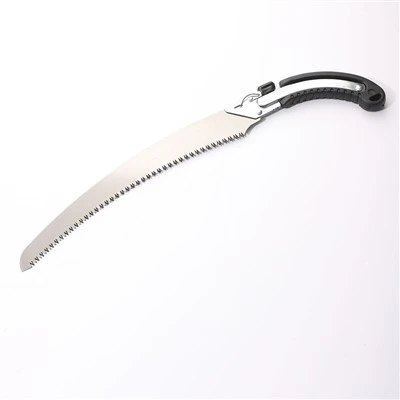
First off, let’s get this straight: not all garden shovels come with a warranty, and that’s where a lot of people get confused. Some big-box store shovels you grab for $10 at checkout? Those rarely have any kind of warranty—they’re made with cheap, thin steel and flimsy handles, designed to be replaced once they wear out, not fixed. But when you’re buying a shovel from a reputable supplier like ours, the warranty is actually a pretty big deal, and it’s not just a random extra we throw in to make a sale. It’s a promise that what you’re getting is built to last.
Let’s break down what a typical warranty for a garden shovel actually covers, because it’s not one-size-fits-all. Most of them cover two main parts: the blade and the handle. The blade is the heavy steel part that digs into dirt, clay, rocks, all that stuff. A good warranty will cover manufacturing defects in the blade—like if it snaps in two when you’re digging a hole for a tree, or if the weld holding it to the handle is weak and falls apart within a certain time frame. Then the handle, usually wood or fiberglass, is another big spot for issues. If a wooden handle splinters because it’s poorly seasoned, or a fiberglass handle cracks under normal use, that’s usually covered too.
Wait, but I should be clear about what’s not covered. A lot of people miss the fine print here, and that’s how warranties end up feeling like a scam. If you use your shovel to pry open a stuck gate, or hit concrete with it, or drag it behind your lawn mower (don’t laugh, I’ve seen it), that’s not normal use. The warranty won’t cover damage from misuse or abuse. Also, normal wear and tear—like a wooden handle getting a little rough after a few years, or a blade getting a small scratch—isn’t covered. That’s just part of owning a tool, right? A shovel is meant to be used, so it’s going to show some signs of wear. But if it breaks before it’s supposed to, that’s on us to fix or replace.
So how long do these warranties usually last? It depends on the brand, but for most mid-range to heavy-duty shovels, it’s either a 1-year limited warranty or a “lifetime” warranty. Wait, hold on—lifetime warranty sounds like a big deal, but it’s often a lifetime of the product, not your lifetime. That means if you’re the original owner, we’ll replace it if it breaks under normal use. But if you sell it or pass it on, that warranty doesn’t transfer. That’s standard, and it’s important to know so you don’t buy a used shovel thinking you’re covered.
Let me give you a real example. Last spring, a customer reached out to us—he bought one of our heavy-duty digging shovels the year before, and he was a little miffed because the blade had split when he was digging a trench for an irrigation line. He thought he’d done something wrong, but when we asked for photos, it turned out it was a manufacturing defect in the steel—there was a tiny hidden crack from the forging process that only showed up under pressure. We sent him a new one for free, no questions asked, no shipping cost, and even threw in a free replacement handle since he’d already messed with the old one. That’s what a good warranty is for—taking care of your customer when they didn’t do anything wrong.
Now, why does this matter when you’re buying from a supplier like us vs. those cheap shovels at the big box? Because a warranty isn’t just a piece of paper. It’s proof that the manufacturer stands behind their product. When a shovel has a warranty, it means they tested it for durability, used better materials, and care enough to make things right if there’s a problem. Those $10 shovels? Their manufacturers don’t do that testing, because they know most people will throw them away when they break, not bother to file a warranty claim. We spend extra on high-carbon steel for our blades and solid hardwood handles (or reinforced fiberglass for people who don’t want to deal with weathering wood) because we don’t want our customers to have to replace their shovel every other year.
Wait, I should also mention that some suppliers offer extended warranties, especially if you’re buying in bulk—like if you’re a landscaper or a nursery ordering 50 shovels for your team. That’s a big perk for commercial buyers, right? Because when you’re using shovels 8 hours a day, 5 days a week, they’re going to take more abuse than a homeowner who uses theirs once a month. We work with commercial clients to customize warranty terms that fit their needs, because we know their time is money—they can’t afford to have a shovel break mid-job.
But let’s be honest, there are some things a warranty won’t cover, and we’re always upfront about that. If you leave your shovel out in the rain for months on end and the blade rusts through (wait, no, actually we do cover rust from manufacturing defects, but if you never oil the blade, that’s on you), or if you use it to chop firewood (seriously, people do that) and the blade chips, that’s not normal use. We also don’t cover accidents—like dropping a shovel off a ladder, that’s just a mistake, not a defect.
So, how do you make sure your shovel is actually covered? First, when you buy from a supplier, keep your receipt. That’s the most important thing—without proof of purchase, you can’t file a warranty claim. Second, read the fine print of the warranty before you buy. Not all warranties are the same, and some have weird hoops to jump through—like you have to register your product online within 30 days of purchase. We make our super easy: you don’t have to register anything, just send us a photo of the broken shovel and your receipt, and we’ll handle the rest. No hoops, no long forms, because we don’t want to make it harder than it needs to be.
I get it, buying a shovel isn’t the most exciting purchase. It’s a tool, plain and simple. But when you’re out in the garden, getting your hands dirty, you want a tool you can trust. A warranty isn’t just a nice extra—it’s a safety net. It means if something goes wrong, you don’t have to drop $50 on a new shovel mid-project, you don’t have to waste time arguing with a company that doesn’t care, you just get back to planting or digging or whatever you’re doing.

If you’re a homeowner just looking for a shovel for your backyard, or a commercial operation needing a bulk order, we’ve got you covered. We don’t sell the cheap, disposable stuff—our shovels are built to last, and we back that up with a warranty that actually works. If you have questions about our warranty, or want to place an order, hit us up. We’re here to help make sure you’ve got the right tool for the job, no hassle.
Pole Saw References:
- American National Standards Institute. (2021). Safety Standards for Gardening and Landscaping Tools. ANSI Z135.1-2021.
- Garden Tool Manufacturers Association. (2022). Warranty Best Practices for Hand Tool Suppliers. GTMA Guidelines 2022.
- U.S. Consumer Product Safety Commission. (2023). Hand Tool Safety: Understanding Limited and Lifetime Warranties. CPSC Publication 512.
Shandong Siri-Tools Co., Ltd.
As one of the most professional garden shovel manufacturers in China, we also support customized service. We warmly welcome you to buy high quality garden shovel for sale here from our factory. If you have any enquiry about cooperation, please feel free to email us.
Address: Hedong Distric, Linyi City, Shandong Province
E-mail: cathysiri@siri-tools.com
WebSite: https://www.siri-tools.com/
